Top Reasons to Add a Second Story to Your Ontario Home

Adding a second story to an Ontario Home is one of the most effective ways to expand living space without relocating. Many families choose to reimagine the structure of their Ontario Home because their household needs, lifestyle, or long-term plans require more room. Whether parents need quiet work areas, children require independent bedrooms, or homeowners want a dedicated new master suite, the Ontario Home offers flexibility and structural adaptability. Expanding upward preserves outdoor space, maintains location stability, and allows families to remain in the community they love.
Why Many Families Choose a Second Story Addition
A second story home addition Ontario residents pursue is usually motivated by the need for more functional living areas. Instead of expanding the home outward and reducing yard space, building upward adds significant square footage while leaving the property’s outdoor areas intact. This is especially advantageous for homes on smaller lots where lateral expansion may be limited by zoning laws.
Many families also view the second story as a long-term investment that enhances comfort and usability. It eliminates the stress of moving, maintains neighborhood ties, and allows homeowners to tailor spaces to evolving needs. Homeowners exploring professional guidance often review home addition options to understand typical project scope, timelines, and feasibility.
Increased Living Space Without Losing Yard Area
One of the most valued benefits of a second story addition is preserving yard space. Ground-level extensions often reduce outdoor areas used for gatherings, gardening, or recreation. A second level, however, creates new rooms without affecting the first-floor layout. This approach maximizes space efficiency and maintains the home’s footprint.
Common expansions include:
- Additional bedrooms for children or guests
- A new master suite with a private bathroom
- A multipurpose loft or recreational area
- A dedicated office or study
- Additional storage spaces
These upgrades significantly enhance the home’s functionality while maintaining outdoor freedom.
Zoning Laws and Planning for Vertical Expansion
Before construction begins, homeowners must review zoning laws that affect building height, setbacks, and structural limits. Zoning regulations ensure that a second story complies with municipal standards. Each municipality in Ontario has specific guidelines, typically covering:
- Maximum building height
- Minimum distance from property lines
- Architectural design requirements
- Structural considerations for multi-level homes
Understanding zoning requirements early helps avoid delays and ensures smooth project approval.
Structural Review and Foundation Evaluation
Adding a second story home addition Ontario residents plan requires a thorough structural review. Adding an upper level increases the load on the existing foundation and framing. Engineers and contractors assess structural integrity to determine whether reinforcements are necessary.
Key aspects evaluated during structural review include:
- Foundation depth and stability
- Load-bearing walls
- Roof removal methods
- Electrical and plumbing updates
- Soil conditions beneath the home
Ensuring structural integrity is critical for both safety and long-term durability.
Creating Extra Bedrooms for a Growing Household
Families often choose a second story addition to create extra bedrooms. A second floor can comfortably accommodate multiple rooms, giving family members privacy and independence. These additional bedrooms also allow flexibility for guests or future household changes.
Flexible bedroom designs may include:
- Rooms that can double as home offices or hobby spaces
- Convertible guest rooms
- Bedrooms with attached bathrooms for privacy
These additions provide space for a growing or multigenerational household.
Designing a New Master Suite
Adding a new master suite is a popular reason for building upward. A private second-story suite often includes a walk-in closet, ensuite bathroom, and optional sitting area. Placing the master suite upstairs creates a quiet retreat, separate from the main living spaces.
A well-designed master suite enhances the home’s functionality and often increases property value. For homeowners considering broader renovations alongside the second story, exploring whole home renovation options can help integrate layout improvements across both floors.
Improving Layout Efficiency on the Main Level
Moving bedrooms and private spaces to a second story frees up the main floor for flexible use. Rooms that previously served as sleeping areas can become offices, entertainment rooms, or practical storage spaces. Reorganizing the main floor enhances comfort and supports modern family lifestyles.
Potential improvements on the main floor include:
- Open-concept living and dining areas
- Home office or study rooms
- Guest rooms
- Expanded storage areas
This shift allows families to optimize their existing space for daily living.
Enhancing Property Value Through Vertical Growth
A second story home addition Ontario homeowners complete can significantly increase property value. Additional square footage, functional layouts, and updated structures appeal to future buyers. Many neighborhoods welcome upward expansion because it preserves lot space while modernizing older homes.
Working With a Design Build Contractor
Second story projects require careful coordination between architects, engineers, and construction teams. Many homeowners work with a design build contractor, which integrates planning, design, and construction under one team. This approach improves communication, minimizes delays, and ensures a consistent vision from design to completion.
A design build contractor helps guide homeowners through:
- Zoning review and permit preparation
- Structural assessments
- Floor plan design
- Material selection
- Construction scheduling
This streamlined approach simplifies complex renovation decisions.
Choosing Durable Finishes
Durable materials are essential for second story construction. Homes with upper floor additions require flooring, insulation, and roofing materials that withstand temperature fluctuations and regular use. Matching finishes between floors also ensures aesthetic continuity.
Recommended finishes for durability and efficiency include:
- Hardwood, tile, or high-quality laminate flooring
- Energy-efficient windows
- Reinforced roofing materials
- Improved insulation and ventilation
Selecting appropriate finishes ensures long-term comfort and reduces maintenance concerns.
Creating a Balanced Exterior Appearance
Maintaining visual harmony with the existing home is critical for curb appeal. Roof lines, siding, and window placement should align with the first-floor design. A unified exterior also helps comply with municipal design guidelines.
Many homeowners take this opportunity to refresh the home’s exterior finishes, including siding or roofing upgrades, to create a cohesive appearance.
Avoiding the Need to Move
A significant advantage of a second story home addition is the ability to remain in a familiar neighborhood. Moving often requires changing schools, routines, and community connections. Expanding vertically allows families to stay in place while gaining the additional space they need.
Homeowners planning larger redesigns may also consider coordinating full home renovations to complement the second story. Reviewing whole home renovation services can help create a consistent and modern interior across both floors.
Long-Term Benefits of Multi-Level Living
Multi-level living provides long-term benefits that adapt to changing family needs. Separate floors allow for private sleeping areas, quiet workspaces, and dedicated entertainment zones. This setup supports growing families, multigenerational households, and long-term comfort.
For consultation on a second story addition or to discuss design options, homeowners can call tel:+12897769584 to speak with a renovation specialist.
Frequently Asked Questions


continue reading
Related Posts

Yes, a lot of renovations in Burlington and Oakville need […]
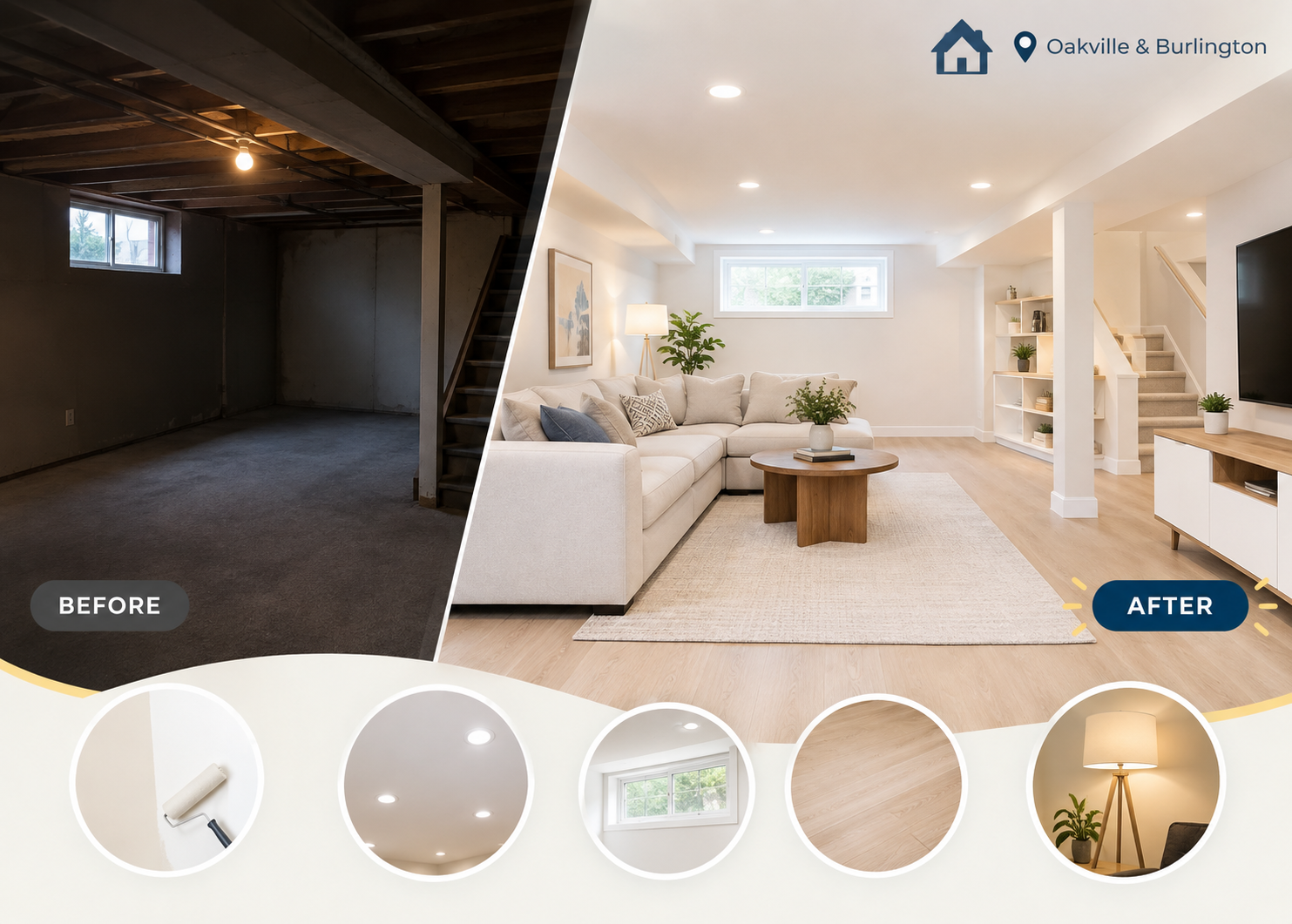
The most effective ways to make a dark basement feel […]