Finding the Right Home Renovation Contractor in Ontario: What to Know

Starting a renovation journey often begins with researching home renovation ontario options that align with your goals, budget, and timeline. Many homeowners explore home renovation services to better understand how upgrades can improve comfort, safety, and property value. Choosing the right approach to home renovation work requires careful consideration of contractor qualifications, regulatory requirements, and project scope. A well-planned home renovation project is rarely about aesthetics alone. It involves coordination, compliance, and long-term planning. Understanding how home renovation contractors operate helps homeowners make informed decisions from the earliest stages. Reviewing structured project examples, such as whole home renovation services, provides clarity on how comprehensive renovations are typically handled.
Renovation decisions made early often influence outcomes for years to come. From structural integrity to energy efficiency, every detail matters. This guide explores how homeowners can evaluate renovation services, understand contractor responsibilities, and choose professionals who meet Ontario standards.
Understanding the Scope of Home Renovation Services
Home renovation services in Ontario cover a broad spectrum of work. These services can include interior remodeling, exterior upgrades, structural changes, and complete property transformations. Contractors often coordinate multiple trades, including carpentry, electrical, plumbing, and finishing work. Understanding this scope helps homeowners assess whether a contractor has the capacity to manage their project effectively.
Renovation work must align with provincial and municipal regulations. Ontario Building Code requirements govern safety, accessibility, and structural performance. Contractors are responsible for ensuring compliance at every stage. Homeowners benefit when renovation plans account for inspections, permits, and material standards from the outset.
Why Contractor Selection Impacts Long Term Results
The contractor you choose plays a central role in renovation success. A qualified contractor for home renovation understands how to manage timelines, anticipate challenges, and resolve issues before they escalate. Poor coordination can lead to delays, budget increases, or compromised workmanship.
A reliable renovation contractor also establishes clear communication channels. Homeowners should expect written estimates, defined schedules, and documented changes. Transparency reduces confusion and helps maintain trust throughout the renovation process.
Licensing, Insurance, and Credentials
Verifying credentials is one of the most important steps when evaluating a renovation company near me. Ontario regulations require contractors to meet specific standards depending on the nature of the work.
Key credentials to confirm include:
- Valid business registration and proof of insurance
- Workers’ compensation coverage
- Trade certifications for specialized services
- Familiarity with local building codes and permit processes
These documents demonstrate that the contractor operates legally and responsibly. Homeowners should request copies and verify information independently when possible.
Assessing Experience and Project History
Experience provides insight into a contractor’s ability to manage complex renovations. Contractors with a history of similar projects are better equipped to anticipate challenges related to design, materials, and site conditions. Reviewing past work allows homeowners to evaluate craftsmanship and consistency.
Speaking with previous clients can also reveal how contractors handle communication, scheduling, and unexpected issues. Patterns of feedback are often more telling than individual reviews.
Full-Service Renovation Approaches
Full-service renovation models offer comprehensive project management from initial planning through completion. These services may include design coordination, demolition, construction, inspections, and final walkthroughs. Homeowners planning large scale upgrades often prefer this approach to reduce coordination responsibilities.
Working with a contractor who manages all phases of renovation can simplify communication and scheduling. It also establishes clear accountability for timelines and quality standards. Information about integrated renovation approaches can be found by reviewing renovation service overviews provided by established firms.
Budget Planning and Financial Transparency
Budget clarity is essential for any renovation project. Contractors should provide detailed estimates that outline labor, materials, permits, and allowances for unforeseen conditions. Clear documentation helps homeowners understand cost distribution and identify areas where adjustments may be possible.
Financial transparency also involves change management. Renovation contractors should explain how scope changes affect costs and timelines before proceeding. Documenting revisions protects both parties and supports smoother project execution.
Communication and Ongoing Coordination
Effective communication reduces stress and improves outcomes. Homeowners should expect regular progress updates, accessible points of contact, and timely responses to questions. Clear communication protocols help address issues quickly and prevent misunderstandings.
Project coordination includes scheduling trades, managing deliveries, and aligning inspections. Strong organizational practices keep projects moving forward and reduce downtime. Contractors who proactively communicate milestones help homeowners stay informed and confident throughout the process.
Permits, Inspections, and Regulatory Compliance
Many renovation projects in Ontario require permits. Structural changes, electrical upgrades, plumbing modifications, and additions often trigger permit requirements. A knowledgeable renovation contractor manages applications and coordinates inspections with local authorities.
Compliance protects homeowners from legal and safety issues. Work completed without proper permits can lead to fines, delays, or complications during resale. Clarifying permit responsibilities before construction begins helps avoid these risks.
Identifying Potential Red Flags
Recognizing warning signs early can prevent costly mistakes. Homeowners should be cautious if a contractor avoids written contracts, provides vague estimates, or pressures quick decisions. Transparency and documentation are essential for accountability.
Additional concerns include inconsistent communication, refusal to provide references, or unclear timelines. Trustworthy contractors welcome questions and explain processes clearly.
Planning for Durability and Value
Renovations should support long term performance as well as immediate needs. Contractors who focus on durability consider material quality, proper installation, and maintenance requirements. Design decisions should balance current preferences with future adaptability.
Homeowners benefit from discussing how renovation choices impact energy efficiency, resale potential, and ongoing upkeep. Thoughtful planning supports lasting value and functionality.
Preparing for Project Start
Before work begins, homeowners should review contracts carefully. Agreements should define scope, schedules, payment terms, warranty coverage, and dispute resolution processes. Clear documentation establishes expectations and reduces conflict.
It is also helpful to discuss how unforeseen issues will be handled. Renovation projects often encounter hidden conditions. Establishing procedures for addressing these challenges supports smoother collaboration.
Final Thoughts on Choosing the Right Renovation Partner
Selecting a renovation contractor is a significant decision. Careful evaluation of credentials, experience, communication practices, and compliance processes helps homeowners make informed choices. A structured approach to selection supports successful outcomes and reduces uncertainty.
Homeowners who invest time in research and planning are better positioned to manage renovation complexity and achieve their goals.
Frequently Asked Questions



continue reading
Related Posts

Yes, a lot of renovations in Burlington and Oakville need […]
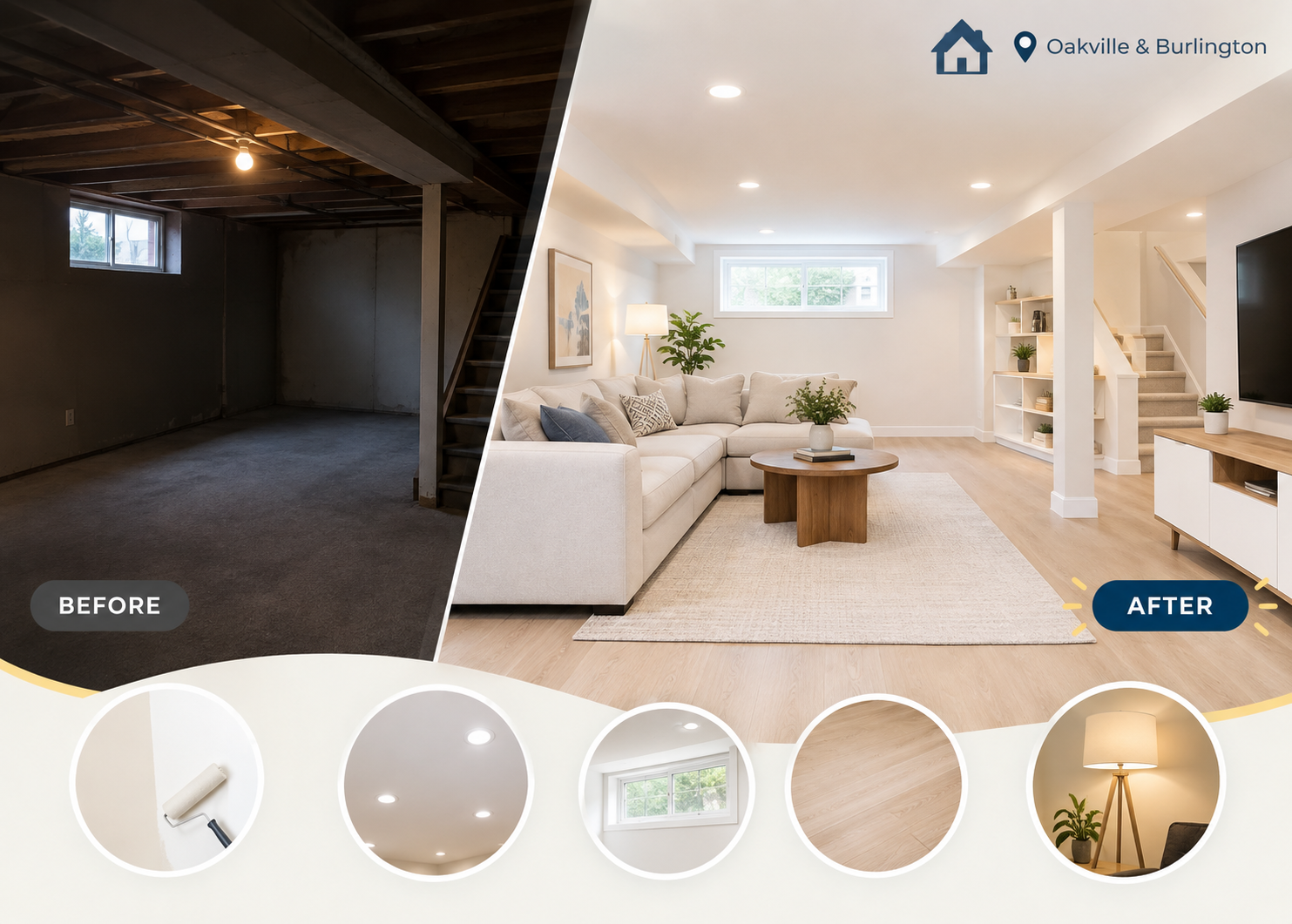
The most effective ways to make a dark basement feel […]