Bathroom Renovations in Burlington, Ontario: Cost, Design and Contractors
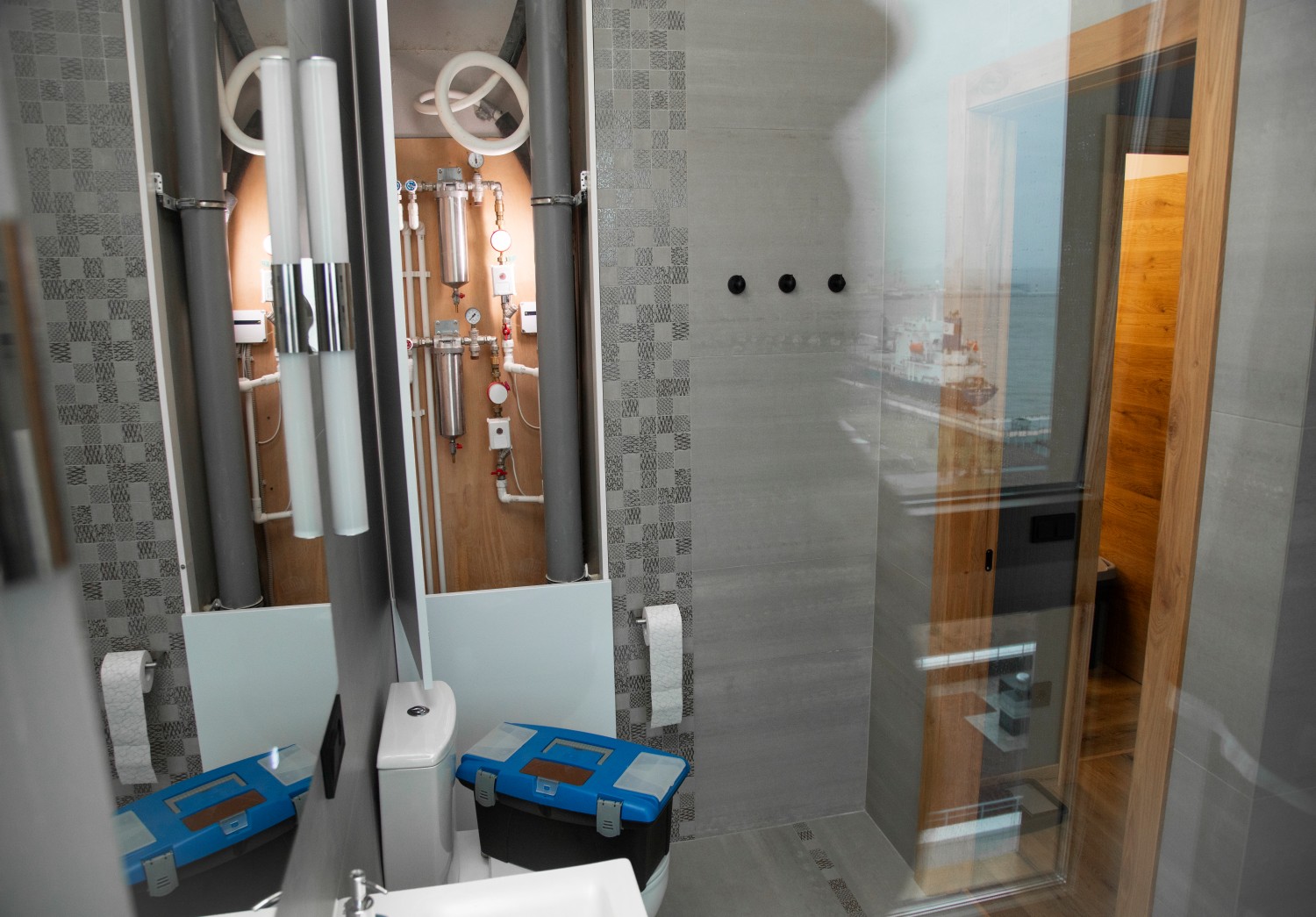
Bathroom renovations in Burlington are a common home improvement priority for homeowners looking to improve comfort, functionality, and long-term durability. These projects often begin when existing spaces no longer meet daily needs or begin to show signs of wear. Depending on the layout and condition of the bathroom, updates may range from simple cosmetic improvements to more extensive structural changes. Careful planning is essential to balance design preferences with technical requirements, including waterproofing, fixture selection, ventilation, and realistic timelines. Local construction practices and property value considerations also play an important role. When expectations are clearly defined from the outset, bathroom renovations are far more likely to deliver successful, long-lasting results.
Homeowners considering layout options and renovation approaches can explore examples of bathroom renovations in Burlington to better understand how space, materials, and functionality are commonly addressed in the area.
Why Homeowners Renovate Bathrooms
Bathrooms are among the most frequently used spaces in a home. Over time, outdated layouts, inefficient fixtures, or moisture related issues can reduce comfort and usability.
Common reasons for renovating include improving storage, upgrading finishes, addressing water damage, and adapting spaces for aging or accessibility needs. Some homeowners also renovate to improve energy and water efficiency through updated fixtures.
Bathroom renovations are as much about practical improvements as they are about visual updates.
Understanding Bathroom Renovation Costs
Costs for bathroom renovations in Burlington vary widely depending on scope, materials, and structural changes. A basic refresh typically costs less than a full remodel involving plumbing relocation or custom features.
Key factors that influence cost include:
- Size of the bathroom
- Quality of materials and fixtures
- Extent of plumbing or electrical work
- Waterproofing requirements
- Labor and permitting needs
Setting a realistic budget early helps guide design choices and prevents unexpected adjustments during construction.
Modern Bathroom Design Trends
Modern bathroom design emphasizes clean lines, functional layouts, and durable materials. Neutral colour palettes, minimal hardware, and efficient storage solutions are common features.
Many homeowners opt for walk in showers, floating vanities, and integrated lighting. These elements support both aesthetics and usability.
While trends evolve, focusing on timeless design principles helps ensure renovations remain relevant for years to come.
Layout Planning and Space Optimization
Effective layout planning is essential, especially in smaller bathrooms. Existing plumbing locations often influence design, but thoughtful planning can improve flow and accessibility.
Design considerations often include:
- Placement of fixtures for ease of movement
- Storage solutions that reduce clutter
- Adequate clearance around vanities and toilets
- Accessibility features when needed
A well planned layout enhances daily use without requiring excessive structural changes.
The Importance of Waterproofing
Waterproofing is one of the most critical aspects of bathroom renovations. Bathrooms are exposed to constant moisture, and improper protection can lead to long term damage.
Waterproofing systems typically include membranes, sealants, and proper drainage solutions. These elements protect walls, floors, and structural components.
Addressing waterproofing correctly during renovation helps prevent mould growth, leaks, and costly repairs later.
Materials That Perform Well in Bathrooms
Material selection directly affects durability and maintenance. Bathroom materials must handle humidity, temperature changes, and frequent cleaning.
Popular choices include porcelain tiles, moisture resistant drywall, and engineered stone surfaces. Flooring options are selected for slip resistance and water tolerance.
Choosing materials based on performance rather than appearance alone supports long term satisfaction.
Working With Bathroom Renovation Contractors
Bathroom renovation contractors Burlington homeowners work with typically manage design coordination, permits, and construction sequencing. Experienced contractors understand local codes and common structural challenges.
When searching for bathroom remodel contractors near me, homeowners often evaluate communication style, project transparency, and experience with similar renovations.
Clear contracts and defined timelines help reduce uncertainty during the renovation process.
Timelines and Project Phases
Bathroom renovation timelines depend on project complexity. Simple updates may take a few weeks, while full renovations can take longer.
A typical project includes:
- Design and planning
- Permit approval if required
- Demolition and preparation
- Rough plumbing and electrical work
- Waterproofing and tiling
- Fixture installation and finishing
Understanding these phases helps homeowners anticipate progress and disruptions.
Plumbing and Electrical Updates
Renovations often involve updating plumbing and electrical systems to meet current standards. Older homes may require upgrades to support modern fixtures and lighting.
Plumbing changes should ensure proper drainage and water pressure. Electrical planning includes adequate lighting, ventilation, and safety features.
Coordinating these updates early avoids delays later in the project.
Ventilation and Moisture Control
Proper ventilation is essential to control humidity and maintain air quality. Exhaust fans and airflow planning reduce moisture buildup and protect finishes.
Ventilation systems should be sized appropriately for the bathroom and installed correctly to function effectively.
Good ventilation complements waterproofing efforts and supports long term durability.
Reviewing Past Work and Planning Details
Reviewing previous renovation projects helps homeowners clarify preferences and expectations. Seeing how layouts, materials, and finishes come together provides practical insight.
Browsing completed projects such as those shown in renovation portfolios
can help homeowners identify design elements that align with their goals.
Planning details thoroughly reduces mid project changes and supports smoother execution.
Maintenance and Long Term Care
After renovation, proper maintenance helps preserve finishes and functionality. Regular cleaning, ventilation use, and inspection of seals reduce wear.
Choosing materials that are easy to maintain simplifies long term care. Clear access to plumbing fixtures also supports future repairs.
A well maintained bathroom continues to perform effectively over time.
Conclusion: Planning a Successful Bathroom Renovation
Bathroom Renovations in Burlington require thoughtful planning that balances design, waterproofing, and realistic timelines. By understanding costs, materials, and construction phases, homeowners can make informed decisions that support comfort and durability.
Clear communication with contractors and attention to moisture management are key to long term success. Homeowners ready to discuss renovation details or scheduling can reach out directly through calling a local renovation team.
Frequently Asked Questions


continue reading
Related Posts
Yes, a lot of renovations in Burlington and Oakville need […]
The most effective ways to make a dark basement feel […]