Hamilton’s $40,000 Basement Apartment Grant: How It Works in Ancaster and Dundas (2026)
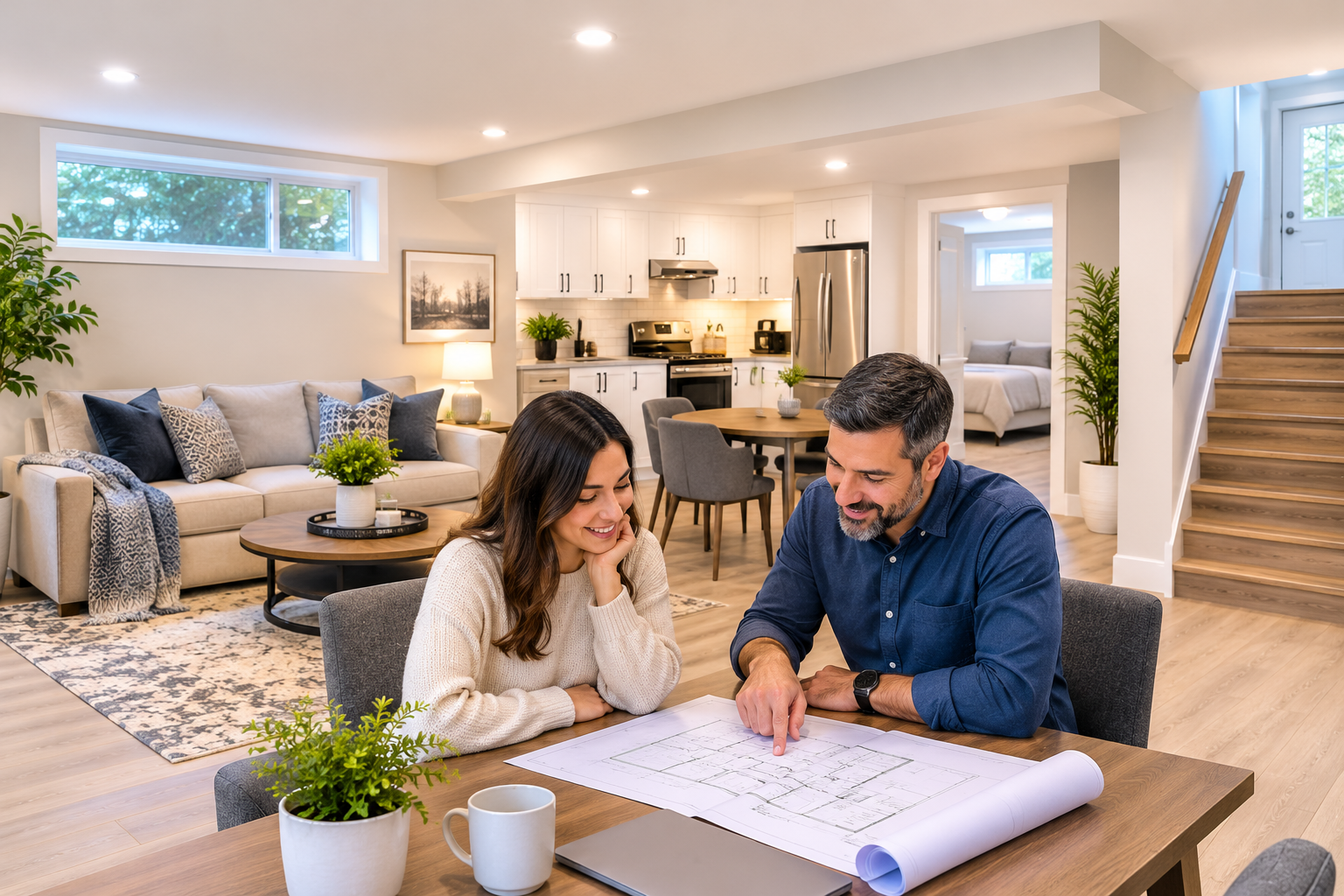
Hamilton’s basement apartment grant can cover 70 percent of eligible construction costs, up to $40,000 per unit, when you build a legal basement apartment, garden suite or other additional dwelling unit. It comes from the City’s Additional Dwelling Unit and Multi-Plex Housing Incentive Program. Under the City’s February 2026 program guide, your building permit must be issued before the City can decide on your application, and only costs incurred after the permit count.
Important, and we mean it: program terms, funding and eligibility boundaries are set by the City of Hamilton and can change, and approval is at the City’s discretion and subject to available funds. What follows is a general guide, not a guarantee that your property qualifies. Always confirm the current rules and your specific eligibility directly with the City before you build a budget around this. We help our clients do exactly that as part of the project.
Grant basics at a glance
| Feature | Detail |
| Maximum grant | Up to $40,000 per unit, to a maximum of $240,000 per site |
| Share of eligible cost | 70% |
| How it is paid | Two advances: the first after the building permit, the second after the occupancy permit |
| Permit timing | Building permit issued on or after October 9, 2025; only costs incurred after the permit count |
| Occupancy deadline | Within 18 months of conditional approval or by August 4, 2027, whichever is earlier |
| Area | Within the Housing for Hamilton Community Improvement Project Area (the Roxborough sub-area is excluded) |
| Approval | Subject to City approval and available funds. Confirm with the City. |
What the program is
Hamilton has been encouraging additional dwelling units, such as legal basement apartments and garden suites, to add housing supply. The incentive helps offset the cost of building one. For an Ancaster or Dundas homeowner considering a legal basement suite, that can meaningfully lower the out-of-pocket cost of a project that also generates rental income.
The grant is paid in two advances. The first is 20 percent of the estimated grant, to a maximum of $8,000 per unit, once the building permit is issued and the City approves a construction cost estimate. The second is paid after the occupancy permit is issued, once the Electrical Safety Authority certificate and construction invoices are approved, and brings the total to 70 percent of actual eligible costs, capped at $40,000.
Who may be eligible
In general terms, eligibility tends to hinge on factors like these, though the City sets the exact rules:
- You are the registered owner of the property, and it sits within the program’s designated area. Not every Hamilton address qualifies, so this must be confirmed.
- The unit is a legal additional dwelling unit, garden suite or small multi-plex that requires a building permit, built to the Ontario Building Code with proper egress, fire separation and ceiling height.
- The building permit was issued on or after October 9, 2025. Work started without a permit will not qualify, and costs before the permit are not eligible.
- Property taxes are paid, the site complies with zoning, and there are no outstanding property standards, Building Code or Fire Code orders.
- The occupancy permit is issued within 18 months of conditional approval or by August 4, 2027, whichever comes first. Miss it and further advances stop, and the amount already paid may need to be repaid.
Because Ancaster and Dundas are part of the City of Hamilton, homeowners there may be eligible, whereas a Burlington or Oakville homeowner in Halton Region would not have access to this particular program. That is a real advantage worth checking if you are on the Hamilton side of the boundary. Eligibility is address-specific, so confirm yours.
What the grant does not cover
Household appliances, decorative items, financing costs, consulting fees and the cost of preparing permit drawings are not eligible costs. The City also expects you to secure financing for the whole project, since the grant offsets only part of it and the second payment arrives after occupancy. And selling or transferring the property while grant money is outstanding is treated as a default and can require repayment with interest.
Why a legal suite, not an unpermitted one
The grant only applies to a legal, permitted unit, and that requirement protects you regardless of the funding. A legal basement apartment needs a code-compliant egress window, fire separation between units, adequate ceiling height and proper permitting. An unpermitted suite is unsafe, can be difficult to insure, is ineligible for any grant, and is a liability at resale. Building it right is the only version that works.
The numbers can be compelling
Rough math. A legal basement apartment in the Burlington, Oakville and Hamilton area typically costs $90,000 to $140,000 to build properly, depending on scope. Because the grant is 70 percent of eligible costs capped at $40,000, the cap is reached once eligible costs hit about $57,000, so a full legal suite will often reach the maximum if approved. Combined with the rental income a legal suite generates, the payback on the remaining investment can be reasonable.
At Saveska Construction, we build legal, permitted additional dwelling units in Ancaster and Dundas, and we can help you confirm eligibility, time the permit and application correctly, and handle drawings, permits and inspections. We are licensed and insured, build to the Ontario Building Code, and back every project with our three-year workmanship warranty. Because the details can change, we verify current terms with the City as part of planning. Book a free consultation to see whether your property could qualify.
People Also Ask
How much is Hamilton’s basement apartment grant?
Up to 70 percent of eligible costs, to a maximum of $40,000 per unit, for a legal additional dwelling unit. Terms are set by the City and can change, so confirm directly.
Do Ancaster and Dundas qualify?
They are part of Hamilton, so properties there may qualify if within the designated area and meeting the conditions. Confirm each address with the City.
Does the grant apply to an unpermitted suite?
No. It applies only to a legal, permitted unit, and the building permit must be issued before the City decides on your application.
Can I get the grant after building?
Generally no. The permit must be issued (on or after October 9, 2025) before approval, and only costs incurred after the permit count.
What is an additional dwelling unit?
A self-contained secondary residence, most often a legal basement apartment, but also a detached unit or garden suite on the same property.
Is the grant a loan, and does it need repayment?
It is a grant, not a loan. It can become repayable with interest if you default, for example by selling the property while funds are outstanding or missing the occupancy deadline. Confirm current terms with the City.
How long does the application take?
It varies. The City will not decide until the building permit is issued, and the second payment follows the occupancy permit. We help coordinate the process so timing is clear before you commit.
Can I combine the grant with financing?
Yes, and you will usually need to. The City expects owners to secure financing for the full project. Confirm with your lender and the City.
Does the suite have to be rented?
We have not seen a rental requirement in the program guide, but occupancy conditions can apply. Confirm with the City.
What makes a basement apartment legal in Hamilton?
Proper egress, fire separation, adequate ceiling height and a building permit, all built to the Ontario Building Code.
Can garden suites qualify too?
Yes. The program covers additional dwelling units broadly, including garden suites and detached units. Confirm your specific plan with the City.
Will a legal suite raise my property taxes?
It can affect assessed value. Weigh that against the rental income and grant, and ask the City what to expect.