Basement Renovation Checklist Every Homeowner Needs
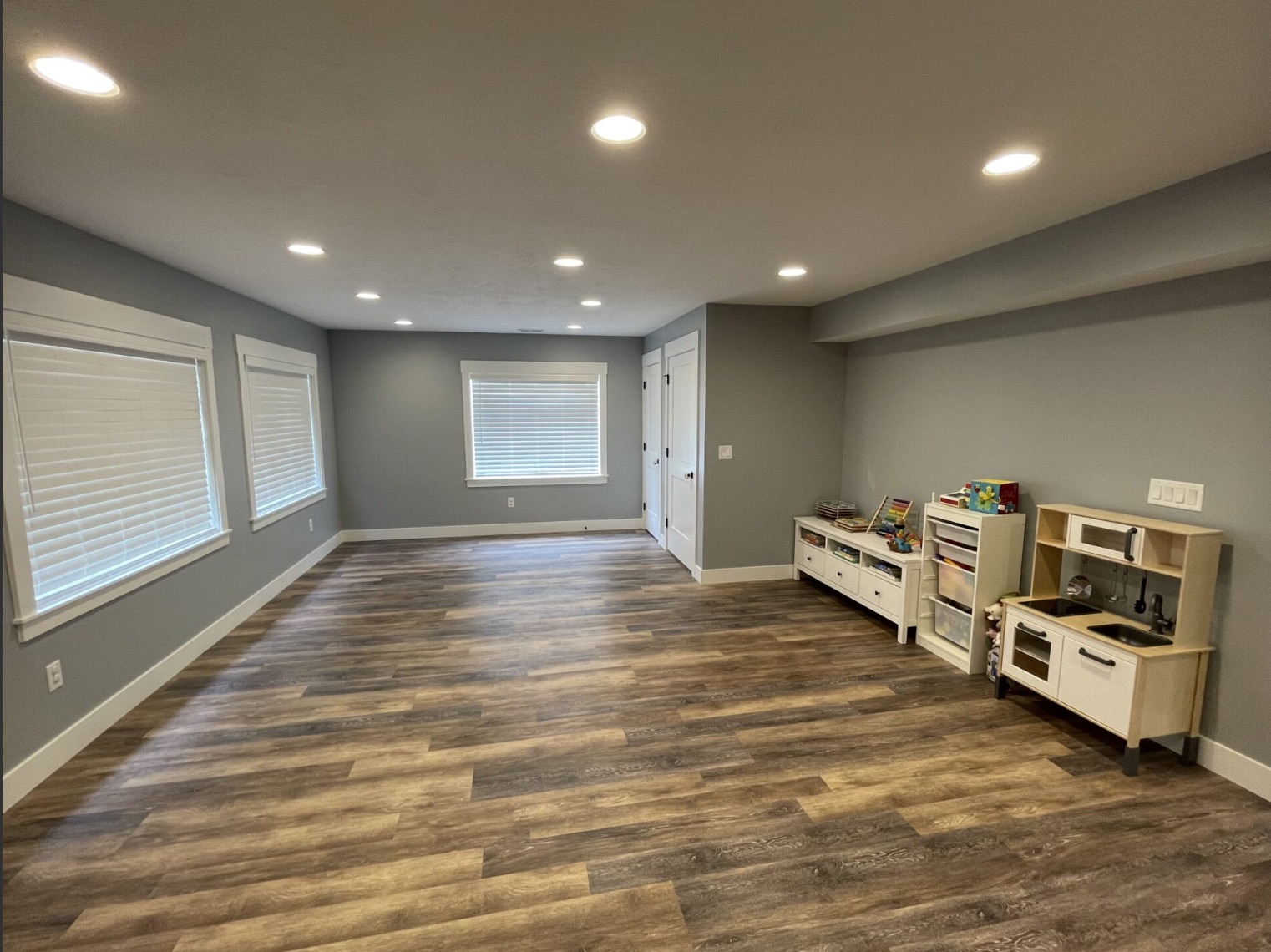
Planning a basement renovation can be an exciting opportunity to increase your home’s functionality, comfort, and value. Whether you’re creating a family room, home office, guest suite, gym, entertainment area, or rental unit, proper planning is essential for a successful outcome.
Many homeowners begin researching basement renovation projects without fully understanding the steps involved. From budgeting and permits to design decisions and contractor selection, overlooking key details can lead to delays, unexpected expenses, and costly mistakes. Understanding the process before construction begins helps ensure your investment delivers long term value.
While this guide focuses on basement renovation planning, many homeowners evaluating major home improvements also compare overall Home Addition Cost considerations when determining the best use of their renovation budget. Both projects can significantly increase usable living space and improve property value.
Homeowners looking for renovation insights can explore project information and resources from Saveska Construction to better understand renovation planning and construction requirements.
This complete basement renovation checklist covers everything you need to know before starting your project, including budgeting, permits, design, waterproofing, contractor selection, and current renovation trends in Canada.
Quick Answer: What Should Be Included in a Basement Renovation Checklist?
Featured Snippet
A complete basement renovation checklist should include:
-
Defining project goals
-
Establishing a renovation budget
-
Checking legal basement requirements
-
Obtaining permits
-
Assessing waterproofing needs
-
Creating a design plan
-
Hiring a qualified contractor
-
Selecting materials and finishes
-
Planning electrical and plumbing work
-
Scheduling inspections
Following a structured checklist helps homeowners avoid costly mistakes while keeping the project organized from start to finish.
Why Renovate Your Basement?
A finished basement can significantly increase the functionality of your home while making better use of existing square footage.
Unlike building an addition, basement remodeling often allows homeowners to create valuable living space within the existing structure. This can be an attractive option for growing families, remote workers, and homeowners seeking additional recreational areas.
A professionally planned basement renovation may also increase property value and improve overall market appeal. Many buyers view finished basements as a desirable feature because they offer flexibility and additional usable space.
Step 1: Define Your Basement Renovation Goals
Before discussing budgets or design ideas, determine how you intend to use the space.
Consider Your Lifestyle Needs
The purpose of the renovation will influence nearly every decision that follows.
Common basement renovation ideas include:
-
Family rooms
-
Home theatres
-
Home offices
-
Guest bedrooms
-
Fitness rooms
-
Children’s playrooms
-
Rental suites
-
Entertainment areas
Clearly identifying your goals helps establish project scope and prevents costly changes later in the process.
Think About Future Requirements
A basement renovation should meet both current and future needs.
For example, a home office today may later become a guest bedroom. Planning flexible spaces can maximize the long term value of your investment.
Step 2: Establish a Realistic Renovation Budget
Creating a budget early helps homeowners understand what is achievable and prevents overspending.
Average Finished Basement Cost in Canada
Basement renovation costs vary depending on size, complexity, finishes, and structural requirements.
|
Renovation Level |
Average Cost |
|---|---|
|
Entry Level |
$50,000+ |
|
Moderate Renovation |
$105,000+ |
|
Ultimate Renovation |
$150,000+ |
Entry Level Basement Renovation
Projects in this category typically involve:
-
Framing
-
Drywall installation
-
Existing HVAC usage
-
LVP flooring
-
Limited layout changes
These projects are often completed within approximately six weeks.
Moderate Basement Renovation
Moderate renovations may include:
-
Full bathroom installation
-
Kitchenette/Bar
-
Bedroom spaces
-
Lighting upgrades
-
Plumbing relocation
Projects of this size often require ten weeks or more depending on complexity.
Ultimate Basement Renovation
Large scale basement remodeling projects can include:
-
Specialty rooms
-
Full kitchens
-
Multiple bathrooms
-
Custom finishes
-
Structural modifications
-
Separate entrances
These renovations typically involve longer timelines and more extensive planning.
Many homeowners researching renovation budgets also explore basement renovation services to better understand project scope and pricing expectations.
Step 3: Assess Basement Waterproofing Requirements
Before investing in finishes, it is critical to ensure the basement is protected from moisture.
Check for Existing Water Issues
Inspect the basement for:
-
Water stains
-
Foundation cracks
-
Damp smells
-
Mold growth
-
Efflorescence on walls
Ignoring these issues can lead to expensive repairs after renovation work is complete.
Invest in Preventative Solutions
Basement waterproofing measures may include:
-
Foundation repairs
-
Improved drainage systems
-
Sump pumps
-
Moisture barriers
-
Exterior waterproofing solutions
Addressing moisture concerns before construction begins helps protect your investment for years to come.
Step 4: Understand Legal Basement Requirements
Many Canadian municipalities have specific rules governing basement renovations.
Building Code Compliance
Depending on the intended use of the space, requirements may include:
-
Minimum ceiling heights
-
Egress windows
-
Fire separation standards
-
Smoke detectors
-
Electrical safety requirements
Compliance helps ensure occupant safety and protects property value.
Rental Suite Regulations
If you’re planning an income suite, additional legal basement requirements may apply.
These often include separate entrances, enhanced fire protection systems, and specific zoning approvals.
Understanding these requirements early can prevent project delays later.
Step 5: Obtain Required Basement Permits
One of the most commonly overlooked renovation steps involves permits.
Why Permits Matter
Permits help ensure the project complies with local building codes and safety standards.
Permit requirements may apply to:
-
Structural changes
-
Plumbing work
-
Electrical installations
-
Additional bedrooms
-
Basement apartments
Failure to obtain permits can result in fines, delays, or future resale complications.
Plan for Approval Timelines
Permit review periods vary by municipality. Homeowners should include approval timelines within their overall renovation schedule.
Step 6: Create a Detailed Basement Design Plan
A thoughtful design plan improves functionality and helps avoid costly revisions.
Consider Layout Efficiency
Good basement design ideas maximize usable space while maintaining comfort and flow.
Questions to consider include:
-
Where will walls be located?
-
How much storage is needed?
-
Will natural light be available?
-
Is future flexibility important?
Every design decision should support the intended purpose of the space.
Plan Mechanical Systems Early
HVAC, plumbing, and electrical systems should be integrated into the design process from the beginning.
Proper planning minimizes future modifications and helps maintain budget control.
Homeowners interested in learning more about renovation planning can review the professional renovation process before beginning construction.
Step 7: Select Materials and Finishes
Material selection plays a major role in both appearance and long term durability.
Flooring Considerations
Popular basement flooring options include:
-
Luxury vinyl plank
-
Engineered hardwood
-
Tile flooring
-
Carpet in select areas
Materials should be chosen with moisture resistance in mind.
Lighting and Finishes
Basements often require strategic lighting design due to limited natural light.
Consider:
-
Recessed lighting
-
Task lighting
-
Light coloured finishes
-
Reflective surfaces
These elements can make the space feel larger and more inviting.
Latest Basement Renovation Trends for 2026
Canadian homeowners are prioritizing functionality and versatility.
Multi Functional Living Spaces
Many finished basements now serve multiple purposes, combining work, recreation, and guest accommodations within a single layout.
Flexible spaces provide greater long term value and adapt more easily to changing family needs.
Home Wellness Areas
Fitness rooms, yoga studios, and wellness spaces continue to grow in popularity.
These features allow homeowners to create dedicated areas for health and relaxation without leaving home.
Secondary Suites
With housing affordability challenges continuing across Canada, legal secondary suites remain one of the most popular basement renovation trends.
These spaces can provide additional income opportunities while increasing property value.
For renovation inspiration and planning advice, homeowners can explore articles available through the Saveska resource centre.
Real Life Basement Renovation Examples
Burlington Basement Transformation
A Burlington family converted an unfinished basement into a multifunctional living area featuring:
-
Family room
-
Home office
-
Storage solutions
-
Bathroom
The project significantly improved daily functionality while increasing overall usable living space.
Homeowners considering local projects can learn more about basement renovations in Burlington.
Oakville Basement Apartment Conversion
An Oakville homeowner transformed an unfinished basement into a legal secondary suite.
The renovation included:
-
Bedroom
-
Kitchenette
-
Bathroom
-
Egress window installation
-
Fire code upgrades
This project added valuable living space while meeting local code requirements.
More information is available regarding basement renovations in Oakville.
Common Basement Renovation Mistakes
Skipping Waterproofing Assessments
Finishing a basement without addressing moisture concerns can lead to significant future repairs.
Ignoring Permit Requirements
Unpermitted work may create legal and resale challenges.
Poor Space Planning
A poorly designed layout can reduce functionality and limit future flexibility.
Choosing Contractors Solely on Price
The lowest quote does not always provide the best value. Experience, communication, and project quality are equally important considerations.
Underestimating the Budget
Unexpected expenses are common during renovations. Maintaining a contingency reserve can help avoid financial stress.
Basement Renovation Contractor Selection Checklist
Choosing the right basement renovation contractor is one of the most important decisions in the process.
Verify Experience
Look for contractors with experience completing similar basement remodeling projects.
Review Past Work
Ask for project examples that demonstrate workmanship and attention to detail.
Check References
Speaking with previous clients can provide valuable insight into communication and project management.
Confirm Insurance and Licensing
Proper insurance coverage protects both homeowners and contractors throughout construction.
Understand Available Services
Homeowners can review available renovation services when evaluating project options and contractor capabilities.
Why Choose Saveska Construction
A successful basement renovation requires careful planning, skilled craftsmanship, and effective project management.
Saveska Construction works with homeowners throughout the renovation journey, helping navigate planning, design, budgeting, permits, and construction requirements. Their experience with basement renovations allows homeowners to make informed decisions while maintaining project goals and expectations.
Clear communication and structured planning remain important factors in delivering successful renovation outcomes.
Conclusion
A well planned basement renovation can add valuable living space, improve functionality, and increase property value. However, success depends on thorough preparation, realistic budgeting, proper permits, thoughtful design, and selecting the right contractor.
By following this basement renovation checklist, homeowners can confidently navigate every stage of the process while avoiding common mistakes. From basement waterproofing and legal basement requirements to design planning and contractor selection, every step contributes to a smoother renovation experience.
Whether you’re creating a family room, home office, rental suite, or entertainment area, careful planning today can help ensure lasting value tomorrow.