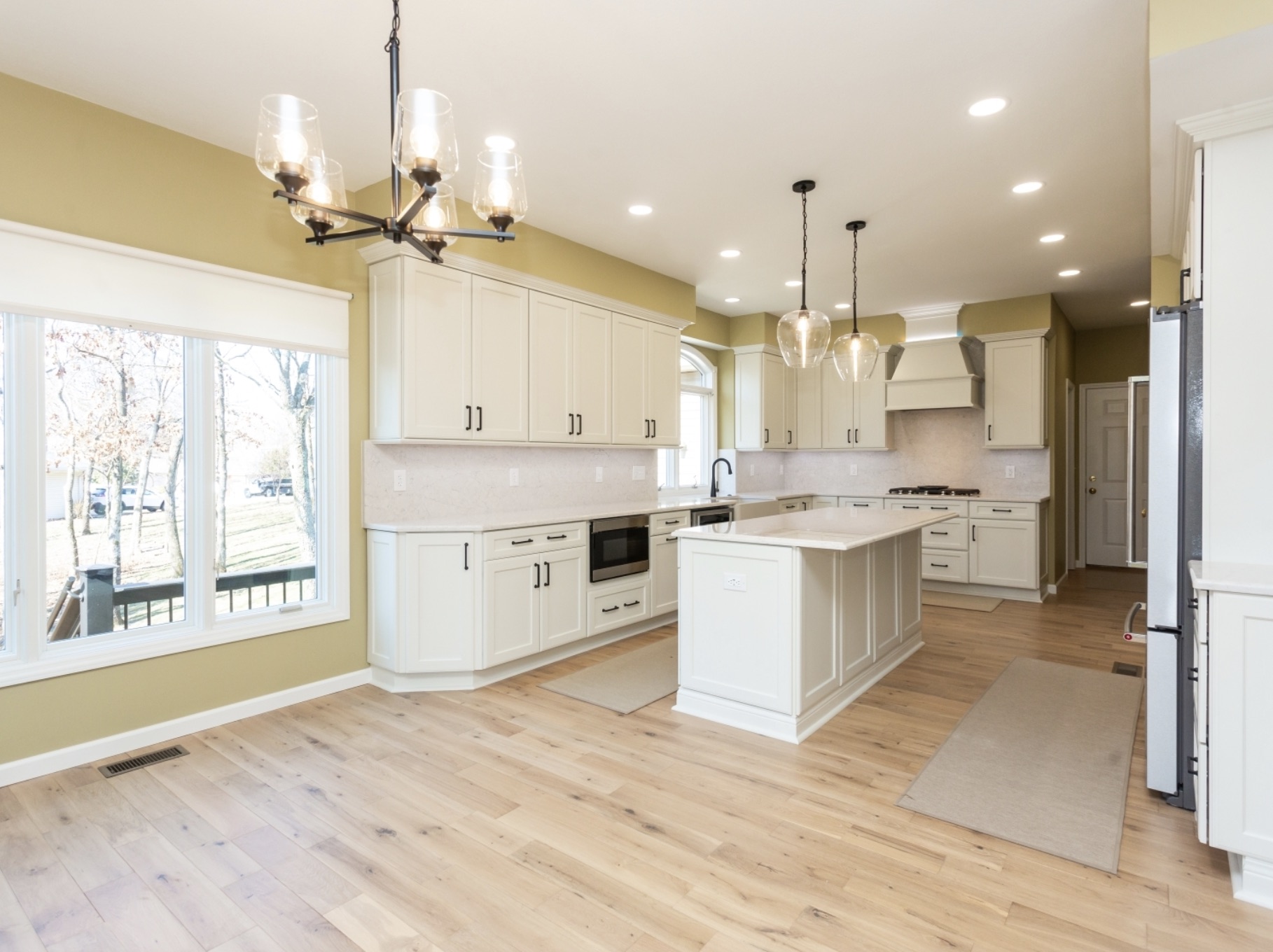
Basement Renovations in Burlington, Ontario: From Unused Space to Dream Room

Basement renovations in Burlington often begin with a simple question about how the space can be used more effectively. As families look for practical ways to expand their living areas without moving, these projects have become increasingly common. Planning typically starts with assessing the condition of the basement, understanding local building requirements, and defining long-term goals. When approached thoughtfully, underused storage areas can be transformed into comfortable living spaces such as rental units, family rooms, or home offices. Successful renovations must account for moisture control, ceiling height, and safety, while balancing design, function, and compliance. With careful layout planning and clear expectations set early, basement improvements can add lasting flexibility and value to a home.
Homeowners exploring how basement spaces can be reworked may find it useful to review examples of basement renovations in Burlington to understand what is possible within local guidelines.
Why Basement Renovations Matter for Burlington Homes
Basements are often one of the largest unused areas in a home. In Burlington, where property values continue to rise, finishing a basement can offer practical benefits without increasing the home’s footprint.
Many homeowners want extra space for growing families, aging relatives, or flexible work environments. Others consider legal basement units as a way to generate rental income while remaining compliant with municipal requirements.
Renovating a basement is not just about aesthetics. It involves addressing comfort, safety, and long term durability.
Understanding Local Building Codes and Legal Units
One of the most important aspects of basement renovations in Burlington is understanding local regulations. Legal basement units must meet specific criteria related to safety, access, and habitability.
Key considerations often include:
- Minimum ceiling height requirements
- Proper egress windows for emergency exits
- Fire separation between units
- Adequate ventilation and insulation
- Separate entrances where required
Meeting these standards helps ensure the space can be used safely and legally. Homeowners planning rental units should review local bylaws before finalizing designs.
Layout Planning for Functional Basement Spaces
Effective layout planning determines how comfortable and usable a renovated basement will be. Unlike main floors, basements often have structural elements such as support posts, low ceilings, or mechanical systems that influence design.
Common layout goals include creating open areas while maintaining clear circulation paths. Bedrooms, bathrooms, and storage areas need thoughtful placement to maximize usable space.
When planning layouts, homeowners often consider:
- Natural light sources and window placement
- Location of plumbing and electrical systems
- Sound separation between rooms
- Access to stairs and exits
Careful planning at this stage can prevent costly changes later.
Moisture Control and Basement Health
Moisture control is a central concern in any basement renovation. Basements are naturally more prone to dampness due to their location below ground level.
Addressing moisture issues before finishing is essential. This may involve sealing foundation walls, improving drainage, or installing proper vapor barriers.
Ignoring moisture can lead to mold growth, material damage, and reduced indoor air quality. A dry and stable environment supports long term durability and comfort.
Choosing Materials Suitable for Basements
Material selection plays a major role in how well a basement performs over time. Materials must handle temperature changes and potential humidity.
Flooring options often include vinyl, engineered wood, or tile, as these materials perform better in lower moisture environments. Wall systems may incorporate moisture resistant drywall or insulation designed for below grade spaces.
Selecting appropriate materials supports longevity and reduces maintenance needs.
Working With Basement Renovation Contractors
Many homeowners work with basement renovation contractors to manage complex renovation requirements. Experienced professionals understand local codes, structural considerations, and sequencing of work.
When searching for basement contractors near me, homeowners often look for clear communication, proper licensing, and familiarity with Burlington regulations.
A structured renovation process typically includes:
- Initial assessment and feasibility review
- Design and layout planning
- Permit applications and approvals
- Construction and inspections
- Final finishing and compliance checks
Clear roles and expectations help the project move smoothly.
Electrical and Plumbing Considerations
Basement renovations often require updates to electrical and plumbing systems. Adding bathrooms, kitchens, or laundry areas increases system demands.
Electrical planning should account for adequate lighting, outlets, and safety features such as ground fault protection. Plumbing layouts need proper drainage and venting.
Coordinating these systems early helps avoid conflicts during construction.
Soundproofing and Comfort
Basement spaces often share walls and ceilings with main living areas. Sound control can improve comfort for everyone in the home.
Insulation, resilient channels, and door selection can help reduce noise transfer. This is particularly important for rental units or entertainment spaces.
Comfort also depends on proper heating and cooling. Extending HVAC systems or adding supplemental solutions ensures consistent temperatures.
Natural Light and Basement Design
Natural light improves the feel of basement spaces. While basements have fewer windows, design strategies can maximize available light.
Light coloured finishes, reflective surfaces, and open layouts help distribute light more effectively. Enlarging window openings where permitted can also improve brightness.
Even small design choices can significantly impact how welcoming a basement feels.
Long Term Value of Basement Renovations
Well planned basement renovations can add meaningful value to a home. While the primary benefit is improved livability, finished basements also contribute to resale appeal.
Legal basement units may provide additional income opportunities. Family oriented spaces support changing lifestyle needs over time.
Value comes from quality workmanship, compliance with codes, and thoughtful design rather than purely decorative upgrades.
Maintenance and Future Flexibility
A renovated basement should be easy to maintain and adaptable to future needs. Access to mechanical systems should remain unobstructed.
Designing flexible spaces allows homeowners to adjust usage as circumstances change. A playroom today may become a guest suite or office later.
Planning for adaptability increases long term satisfaction.
Conclusion: Making the Most of Basement Space
Basement renovations Burlington homeowners undertake can transform underused areas into functional and comfortable living spaces. By focusing on legal compliance, moisture control, and practical layouts, basements can serve a wide range of needs.
Thoughtful planning and informed decision making help ensure renovations meet both current and future goals. Homeowners seeking guidance on next steps or project considerations can explore further information through connecting with local renovation professionals.
For broader home improvement context and services, additional resources can be found at the main services page.