Legal Basement Apartments in Burlington: What You Need to Know
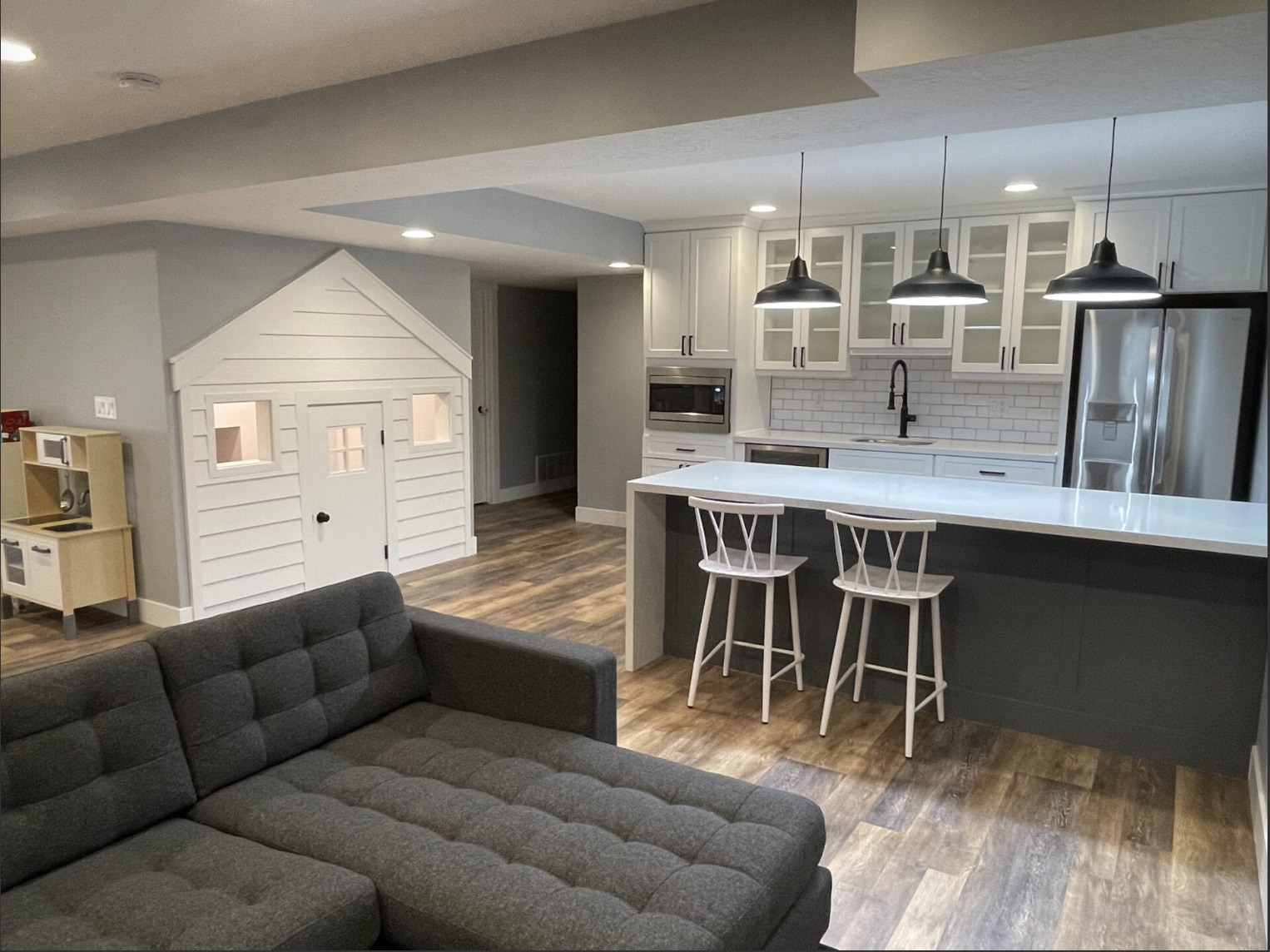
Basement Apartments in Burlington have become an increasingly popular option for homeowners and property investors looking to generate rental income. Basement Apartments in Burlington allow property owners to use existing space within their homes to create independent living areas for tenants. As housing demand continues to grow, Basement Apartments in Burlington provide an opportunity to add rental units while making efficient use of residential properties. Many homeowners explore Basement Apartments in Burlington as a way to support mortgage payments or increase property value. However, creating Basement Apartments in Burlington requires careful planning, compliance with local regulations, and the proper permits before construction begins. Understanding the legal requirements surrounding Basement Apartments in Burlington is essential for anyone considering this type of renovation.
In Ontario, basement apartments are often referred to as secondary suites. These units are self contained living spaces located within an existing home, typically with their own kitchen, bathroom, and entrance. When designed and approved according to municipal regulations, secondary suites can offer both financial and housing benefits.
Homeowners interested in learning more about renovation services can visit the official website of Saveska Construction.
What Is a Legal Basement Apartment
A legal basement apartment is a secondary dwelling unit built within a single family home that complies with municipal zoning rules, building codes, and safety regulations. These units must meet specific standards that ensure the space is safe for occupants.
Typical requirements for a legal basement apartment include:
- A separate entrance or accessible exit
- Proper ceiling height and ventilation
- Adequate fire safety measures
- Approved plumbing and electrical systems
- Compliance with local zoning bylaws
Meeting these requirements allows homeowners to rent the space legally.
Understanding Secondary Suite Burlington Regulations
A secondary suite Burlington property must follow guidelines set by municipal authorities and provincial building codes. These rules help ensure that rental units are safe and suitable for long term occupancy.
Secondary suite regulations generally address factors such as:
- Minimum room sizes and ceiling heights
- Fire separation between units
- Proper emergency exits and windows
- Ventilation and heating systems
By meeting these requirements, homeowners can legally rent out basement spaces and avoid compliance issues.
Why Homeowners Consider Basement Apartments
Basement apartments can offer a number of benefits for homeowners and investors. In many cases, converting unused basement space into a rental unit provides both financial and practical advantages.
Some common reasons homeowners pursue basement apartment renovations include:
- Creating an additional income source
- Increasing property value
- Supporting multi generational living arrangements
- Making better use of unused basement space
With proper planning and compliance, basement apartments can become a long term asset.
Income Potential from Basement Suites
One of the main motivations for building a secondary suite is the potential for rental income. Rental units located within a property can help offset housing expenses and provide additional financial stability.
Rental income from basement apartments may help with:
- Mortgage payments
- Property maintenance costs
- Utility expenses
- Long term investment returns
For investors, a well designed secondary suite can improve the overall value of a property while generating consistent rental income.
Understanding Basement Permit Ontario Requirements
Before beginning construction, homeowners must obtain the necessary permits. A basement permit Ontario process ensures that renovation plans meet safety and building code standards.
Permit applications typically involve:
- Submitting renovation drawings and plans
- Demonstrating compliance with building codes
- Confirming fire safety and ventilation standards
- Scheduling inspections during construction
Obtaining the correct permits helps ensure the renovation is completed legally and safely.
Planning an Income Suite Renovation
An income suite renovation involves transforming an existing basement into a functional living space. The design must meet both comfort and safety requirements.
Planning considerations may include:
- Creating a practical layout for living areas
- Designing a kitchen and bathroom within the space
- Ensuring adequate lighting and ventilation
- Planning a safe and accessible entrance
Professional planning helps ensure that the final design meets regulatory requirements while remaining comfortable for occupants.
Homeowners interested in learning more about renovation services in Burlington can explore the details available at basement renovations Burlington services.
Design Features for Basement Apartments
Well designed basement apartments focus on functionality, comfort, and efficient use of space. Because basements may have limited natural light, design choices play an important role in making the space feel open and welcoming.
Common design features include:
- Open concept layouts to maximise usable space
- Light coloured finishes to enhance brightness
- Durable flooring materials suitable for basement conditions
- Efficient storage solutions
These features help create a comfortable environment for tenants.
Fire Safety and Building Code Requirements
Safety regulations are one of the most important aspects of legal basement apartments. Fire protection measures help ensure that occupants can exit safely during emergencies.
Common safety requirements may include:
- Smoke and carbon monoxide detectors
- Fire rated walls and ceilings between units
- Proper emergency exits or egress windows
- Approved electrical installations
Following these regulations is necessary for both compliance and occupant safety.
Soundproofing and Privacy Considerations
Since basement apartments share a structure with the main home, soundproofing can be an important design consideration. Proper insulation and construction techniques can reduce noise transfer between units.
Sound control strategies may include:
- Installing acoustic insulation between floors
- Using resilient channel systems in ceilings
- Adding solid core doors for improved sound reduction
These solutions help create a more comfortable living environment for both tenants and homeowners.
Utility and Heating Considerations
Basement apartments must also include appropriate heating, ventilation, and utility systems. In many cases, the existing home systems may need adjustments to support an additional living unit.
Key considerations include:
- Ensuring adequate heating throughout the basement
- Providing proper ventilation to prevent moisture buildup
- Installing separate electrical circuits where required
These adjustments help ensure the space remains comfortable throughout the year.
Basement Renovations in Nearby Communities
While many homeowners explore basement apartments in Burlington, similar renovation projects are also common in neighbouring communities. Property owners in nearby areas often pursue secondary suite renovations for similar reasons.
Information about renovation services in nearby regions can be found through the page for basement renovations Oakville services.
Preparing for the Renovation Process
Before beginning construction, homeowners should prepare by reviewing local regulations and developing a clear renovation plan. Proper preparation can help prevent delays and ensure the project moves forward smoothly.
Preparation steps may include:
- Reviewing zoning bylaws for the property
- Consulting with renovation professionals
- Creating a renovation budget
- Applying for required permits
These steps help ensure that the renovation complies with local building requirements.
Long Term Benefits of Legal Basement Apartments
Legal basement apartments can provide long term advantages for homeowners who follow proper building procedures. In addition to rental income, these units may increase the flexibility and value of a property.
Long term benefits may include:
- Additional housing options for family members
- Increased property value
- Improved resale potential
- Stable rental income opportunities
These advantages make basement apartment conversions an attractive option for many property owners.
Contacting Renovation Professionals
Creating a legal basement apartment requires careful planning and professional construction practices. Working with experienced renovation professionals can help ensure that all building codes and permit requirements are addressed during the project.
Homeowners interested in discussing renovation plans or requesting more information can reach out through the enquiry page at Saveska Construction contact page.
Conclusion
Basement Apartments in Burlington provide an opportunity for homeowners and investors to create additional living space within existing properties. When designed according to municipal regulations and provincial building codes, these units can become safe and functional rental spaces.
Understanding the rules surrounding secondary suites, building permits, and safety requirements is an important part of the planning process. By following the correct procedures and obtaining the necessary permits, homeowners can develop legal basement apartments that meet local standards.
With careful planning, proper construction, and compliance with regulations, basement apartment renovations can provide long term financial and practical benefits for property owners.