When and Why to Use Helical Piles for Residential Construction Projects
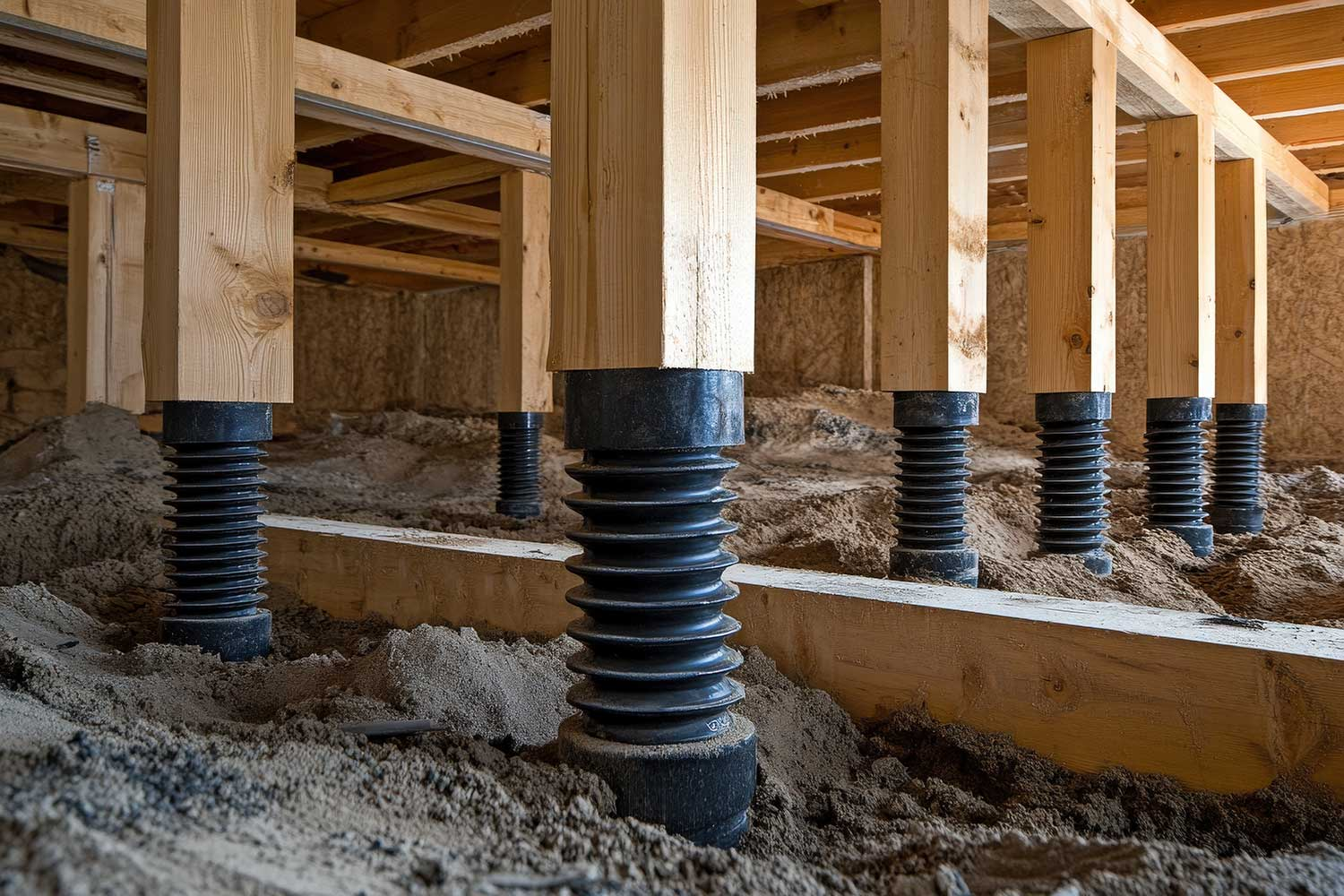
Helical Piles are widely used in residential construction for their strength, adaptability, and efficiency. Helical Piles provide a reliable foundation solution for homeowners dealing with varying soil conditions and structural requirements. Helical Piles are designed to support both new builds and renovation projects with minimal disruption. Helical Piles are often chosen for their ability to deliver immediate load bearing capacity. Helical Piles can be installed quickly, making them suitable for time sensitive construction projects. Helical Piles are also effective in areas where traditional concrete foundations may not perform well. Helical Piles offer long term stability, making them a practical option for many residential applications.
Homeowners exploring foundation options can review resources like Helical Piles and consult experienced professionals such as Saveska Construction for guidance.
What Are Helical Piles
Helical piles are steel foundation elements that are screwed into the ground using hydraulic equipment. They feature one or more helical plates attached to a central shaft, allowing them to anchor securely in stable soil layers.
Main components include:
-
Steel shaft for structural support
-
हेलical plates for anchoring
-
Connection brackets for attaching to structures
This design allows for precise installation and consistent performance across a range of soil conditions.
When to Use Helical Piles
Understanding when to use helical piles helps homeowners make informed decisions about their construction projects.
Ideal situations include:
-
Weak or unstable soil conditions
-
Areas with high moisture content
-
Limited access construction sites
-
Projects requiring fast installation
-
Existing foundation repair or reinforcement
Helical piles are especially useful in residential settings where minimizing disruption is important.
Why Helical Piles Are a Preferred Choice
Helical piles offer several advantages that make them a preferred option for residential construction.
Key benefits:
-
Quick installation with minimal excavation
-
Immediate load bearing capacity
-
Reduced impact on surrounding landscape
-
Adaptability to different soil types
-
Reliable long term performance
These features allow homeowners to complete projects efficiently while maintaining structural integrity.
Applications in Residential Construction
Helical piles are versatile and can be used in various types of residential projects.
Common applications include:
-
Home additions
-
Deck and porch foundations
-
Garage construction
-
Retaining walls
-
Foundation stabilization
For projects such as expanding living space, options like home additions often rely on helical piles for stable support.
Installation Process Overview
The installation of helical piles is straightforward and efficient compared to traditional foundation methods.
Typical steps:
-
Site inspection and soil assessment
-
Determining pile specifications
-
Installing piles using hydraulic machinery
-
Attaching structural brackets
-
Conducting load testing and final checks
The process is generally faster and less invasive, allowing construction to proceed without long delays.
Comparing Helical Piles to Traditional Foundations
Helical piles differ significantly from conventional concrete foundations in both installation and performance.
Differences include:
-
Less excavation required
-
Faster installation timelines
-
Immediate usability after installation
-
Greater flexibility in challenging soil conditions
While traditional foundations may still be suitable in some cases, helical piles provide a practical alternative for many modern projects.
Soil Conditions and Performance
One of the main reasons homeowners choose helical piles is their ability to perform well in various soil types.
Suitable soil conditions:
-
Clay and soft soils
-
Areas prone to shifting or settling
-
Wet or waterlogged ground
-
Mixed soil environments
Their design allows them to anchor into stable layers below the surface, ensuring reliable support.
Cost Considerations
Cost is an important factor in any construction project. Helical piles offer value through efficiency and long term durability.
Factors influencing cost:
-
Depth and number of piles required
-
Soil conditions
-
Accessibility of the site
-
Project size and complexity
Although initial costs may vary, reduced installation time and lower maintenance needs can provide long term savings.
Maintenance and Durability
Helical piles are designed for durability and require minimal maintenance once installed.
Key advantages:
-
Corrosion resistant materials
-
Stability below frost lines
-
Resistance to soil movement
With proper installation, they can provide reliable support for decades.
Environmental Considerations
Helical piles are often considered an environmentally responsible foundation solution.
Environmental benefits:
-
Minimal soil disturbance
-
Reduced construction waste
-
Lower carbon footprint compared to concrete
-
Potential for reuse in certain applications
These factors make them suitable for projects where sustainability is a priority.
Choosing the Right Contractor
Selecting a qualified contractor is essential for successful helical pile installation.
Important considerations:
-
Experience with residential projects
-
Knowledge of local soil conditions
-
Access to proper equipment
-
Clear communication and planning
Homeowners can begin discussions through construction services or reach out via project consultation to evaluate their options.
Long Term Benefits for Homeowners
Helical piles provide long term value by supporting structural stability and reducing maintenance needs.
Benefits include:
-
Improved foundation performance
-
Reduced risk of settling or shifting
-
Lower repair costs over time
-
Flexibility for future construction projects
These advantages make them a reliable choice for residential construction.
Conclusion
Helical Piles are a practical and efficient solution for residential construction projects. Their ability to perform well in various soil conditions, combined with fast installation and long term durability, makes them a preferred option for homeowners.
Understanding when and why to use helical piles helps ensure that construction projects are built on a strong and stable foundation. Whether for new builds, additions, or repairs, helical piles provide a dependable solution that supports long term structural performance.