Whole Home Renovations in Burlington, Ontario: A Complete Guide

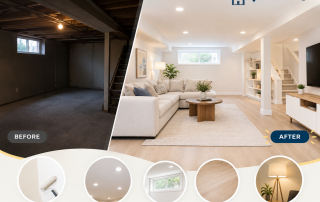
Planning a whole home renovation is a major decision for homeowners who want to improve functionality, comfort, and long-term value. A whole home renovation often involves rethinking layouts, upgrading systems, and modernising finishes across the entire property. Many homeowners consider a whole home renovation when their space no longer meets lifestyle needs or when multiple areas require updates at the same time. Unlike single room upgrades, a whole home renovation allows for consistency in design and efficiency in execution. In Burlington, Ontario, a whole home renovation is commonly chosen to address aging homes, energy performance concerns, or changing family requirements. Understanding how a whole home renovation works helps homeowners plan realistically and make informed decisions from start to finish.
This guide explains the full renovation process, outlines important planning considerations, and highlights how comprehensive upgrades can influence long term property value.
Understanding What a Whole Home Renovation Involves
A whole home renovation refers to updating multiple areas of a house as part of one coordinated project. This can include kitchens, bathrooms, living spaces, bedrooms, basements, and exterior elements. Structural changes, system upgrades, and layout reconfiguration are often part of the scope.
Unlike smaller projects, this approach requires detailed planning and sequencing. Decisions made early affect electrical routing, plumbing placement, and structural support. Homeowners planning home renovation burlington Ontario projects often choose this method to avoid repeated disruptions and ensure cohesive results.
Reasons Homeowners Choose Full Property Upgrades
There are several practical reasons why homeowners pursue comprehensive renovations rather than piecemeal updates. These reasons often relate to efficiency, cost management, and long term planning.
Common motivations include:
- Addressing outdated electrical or plumbing systems
- Improving energy efficiency throughout the home
- Reconfiguring layouts for modern living
- Updating finishes consistently across all rooms
In Burlington, housing stock varies widely in age. Many properties benefit from coordinated updates that bring older structures in line with current standards and expectations.
Planning the Renovation from Start to Finish
Successful renovation projects begin with careful planning. Homeowners should start by defining goals, priorities, and constraints. This includes identifying which spaces need the most attention and what level of change is required.
Planning typically involves:
- Assessing the current condition of the property
- Establishing a realistic budget range
- Defining desired outcomes for each space
- Understanding permit and inspection requirements
Reviewing examples of comprehensive renovation processes, such as whole home renovation services in Burlington, can help homeowners visualise how projects are structured.
Design and Layout Considerations
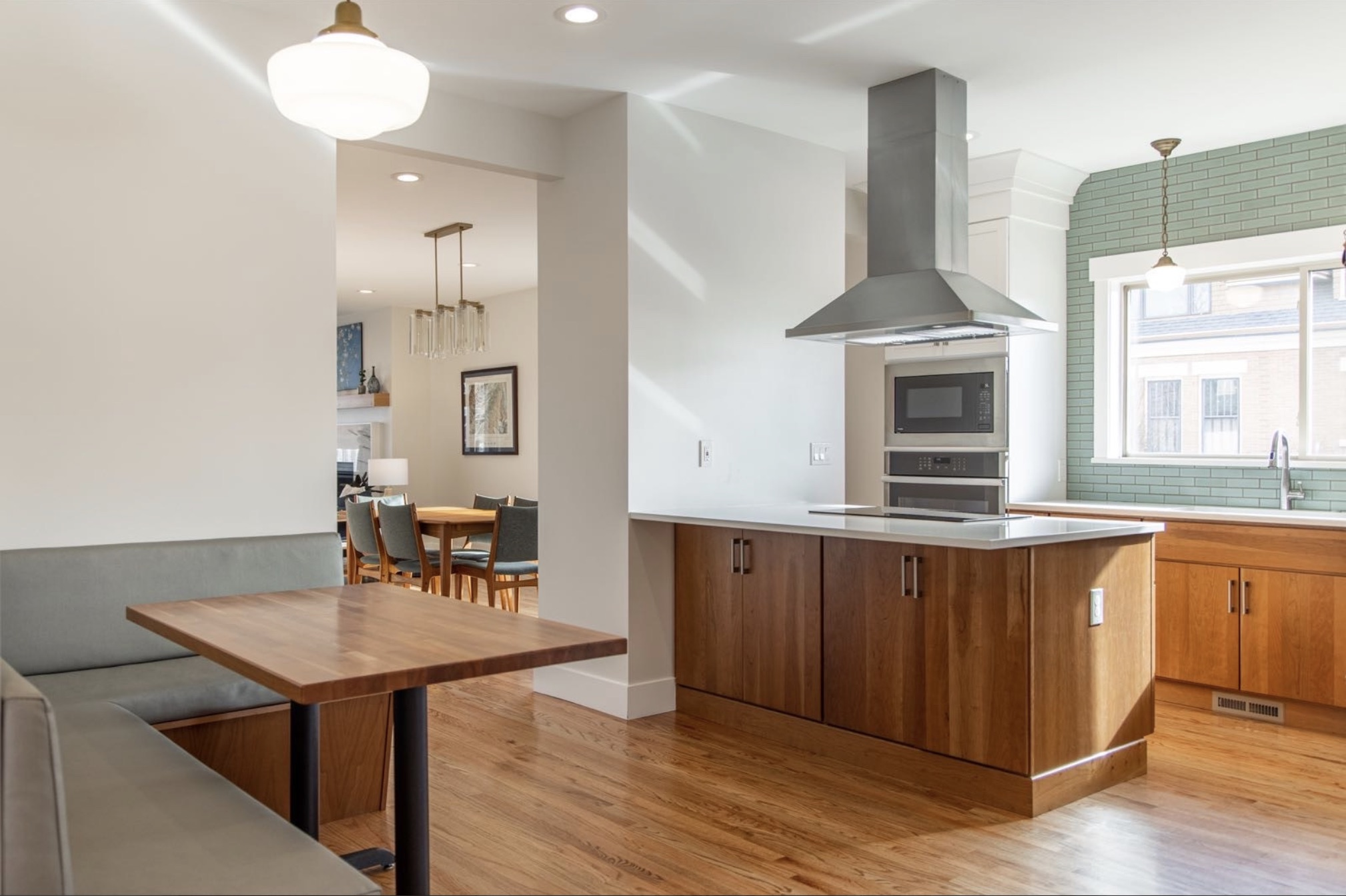
Design plays a central role in whole property upgrades. Layout changes can significantly improve flow, accessibility, and natural light. Open concept living areas, improved storage solutions, and better connections between indoor and outdoor spaces are common goals.
Homeowners should consider how spaces are used daily. Kitchens may need better work zones, while living areas may benefit from improved sightlines. Bedrooms and bathrooms should balance privacy with functionality. Thoughtful design decisions support both immediate comfort and future adaptability.
Permits, Regulations, and Inspections
In Burlington, most major renovation projects require permits. Structural changes, electrical upgrades, plumbing modifications, and additions all fall under regulatory oversight. Understanding these requirements early helps prevent delays.
A typical permit process includes:
- Submission of detailed plans
- Review by municipal authorities
- Scheduled inspections at key stages
- Final approval upon completion
Compliance ensures safety and protects property value. Homeowners planning home renovations burlington should confirm how permit responsibilities are managed before work begins.
Managing Construction Phases
Construction during a full home upgrade is usually completed in phases. Demolition, structural work, system upgrades, and finishing are carefully sequenced to maintain safety and efficiency.
During this stage, homeowners should expect:
- Temporary disruptions to daily routines
- Restricted access to certain areas
- Regular inspections and progress checks
Clear communication helps manage expectations. Understanding the sequence of work reduces uncertainty and allows homeowners to plan living arrangements if necessary.
Budgeting and Cost Control
Budget management is a critical component of any large renovation. Costs typically include labour, materials, permits, design fees, and allowances for unforeseen issues. Transparent estimates help homeowners understand where funds are allocated.
Effective cost control involves:
- Detailed initial budgeting
- Clear documentation of scope changes
- Prioritisation of essential upgrades
- Contingency planning for hidden conditions
Financial planning supports informed decision making throughout the project lifecycle.
Improving Energy Efficiency and Comfort
Many homeowners use comprehensive renovations as an opportunity to improve energy performance. Insulation upgrades, window replacements, and efficient heating systems can significantly reduce long term operating costs.
Comfort improvements may also include:
- Enhanced sound insulation
- Improved indoor air quality
- Better temperature regulation
- Increased natural lighting
These upgrades contribute to a healthier living environment and align with evolving building standards.
Impact on Property Value
Well planned renovations can influence resale value positively. Consistent finishes, modern layouts, and updated systems appeal to future buyers. While value outcomes depend on market conditions, quality workmanship and thoughtful design generally support long term investment potential.
Homeowners should focus on durability and functionality rather than short term trends. Balanced decisions often yield broader appeal and sustained performance.
Choosing the Right Renovation Partner
Selecting a renovation professional involves evaluating experience, communication practices, and familiarity with local requirements. Reviewing background information, such as company experience and renovation approach, helps homeowners understand how projects are typically managed.
Important considerations include:
- Experience with full property upgrades
- Knowledge of Burlington regulations
- Clear documentation and scheduling
- Transparent communication practices
Trust and clarity are essential for managing complex renovation projects.
Preparing for Life During Renovation
Living through a comprehensive upgrade can be challenging. Homeowners should plan for temporary disruptions and consider alternative accommodations if necessary. Protecting personal belongings and setting clear boundaries around work areas helps maintain safety.
Preparation reduces stress and allows homeowners to focus on long term outcomes rather than short term inconvenience.
Final Thoughts on Whole Property Renovations
A whole home renovation is a significant undertaking that requires careful planning, coordination, and patience. By understanding the process and setting realistic expectations, homeowners can navigate each stage with greater confidence.
Comprehensive upgrades offer the opportunity to align a home with modern needs while preserving its character. Thoughtful decisions support lasting value and improved quality of life.