Expand Your Burlington Home: A Guide to Planning the Right Addition
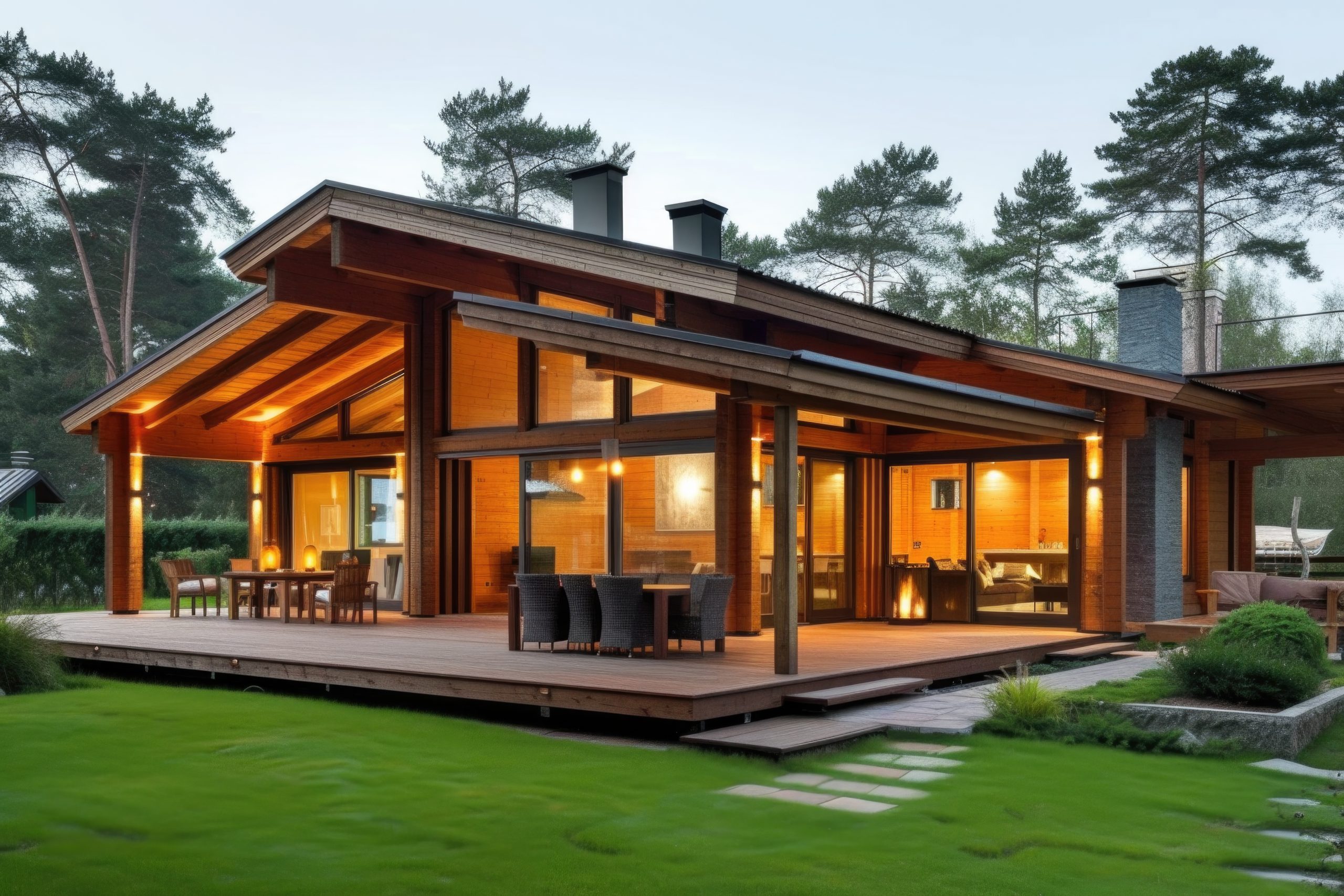
Home additions in Burlington are increasingly considered by families who need more space without leaving their neighbourhood. These projects allow homeowners to adapt to changing needs such as growing children, multigenerational living, or work-from-home requirements, while staying connected to schools, community amenities, and daily routines. Additions can take many forms, from extra bedrooms and expanded kitchens to flexible living areas designed for evolving lifestyles. Careful planning is essential to ensure new spaces integrate seamlessly with the existing structure, taking into account zoning requirements, design coordination, and construction sequencing. When guided by clear goals and realistic expectations, home additions can successfully balance comfort, cost, and long-term value.
For an overview of how local projects are approached, many homeowners begin by reviewing information on home addition planning in Burlington to understand typical layouts and regulatory considerations.
Why Families Choose to Build an Addition
Growing families often reach a point where existing layouts no longer support daily life. Children need private bedrooms, shared spaces feel crowded, or storage becomes limited.
Moving is one option, but it can involve changing schools or commuting patterns. A well planned addition allows families to adapt their home to new needs while staying in a familiar area. This approach often feels more practical and emotionally comfortable.
Types of Home Additions Common in Burlington
Different families require different solutions. The type of addition chosen depends on lot size, zoning limits, and household needs.
Common options include:
- Rear additions that extend kitchen or living areas
- Second storey additions that increase bedroom space
- Side additions for family rooms or home offices
Each option presents unique design and construction considerations.
Understanding the Design Build Approach
A design build approach combines planning and construction under one coordinated process. This helps align design intent with structural realities.
Instead of separating designers and builders, this method encourages collaboration from the start. Design build projects often move more smoothly because decisions consider cost, timeline, and construction feasibility together.
Zoning and Local Regulations in Burlington
Zoning rules play a major role in determining what can be built. Setbacks, height limits, and lot coverage affect addition size and placement.
Before design begins, zoning review helps identify constraints. This step reduces delays during permitting and ensures the project complies with municipal standards. Understanding regulations early supports informed decision making.
Planning for Functionality and Flow
An addition should feel like a natural extension of the home. Poor layout choices can make spaces feel disconnected.
Functional planning considers how rooms connect, how light enters the space, and how traffic flows. For families, this often means creating flexible areas that adapt as needs change over time.
Budget Considerations for Home Additions
Cost planning is a critical step. Budgets should account for design, permits, materials, and construction labour.
Families benefit from building contingency allowances into their budgets. Unexpected conditions such as structural upgrades or utility adjustments can affect costs. Transparent budgeting helps manage expectations throughout the project.
Material Selection and Long Term Durability
Materials affect both appearance and performance. Exterior finishes should match the existing home to maintain visual continuity.
Interior materials should balance durability with comfort. For families with children, flooring and surfaces that withstand daily use are often prioritized. Material choices also influence long term maintenance requirements.
Structural Integration With the Existing Home
Additions must connect safely to the existing structure. This involves foundation work, framing integration, and roof alignment.
Structural assessments help determine how loads will be managed. Proper integration ensures the home remains stable and weather resistant. This step is essential for long term safety.
Working With Home Addition Contractors
Selecting experienced home addition contractor teams helps manage complexity. Coordination between trades, inspections, and scheduling requires expertise.
House addition contractors often guide homeowners through sequencing and compliance steps. Clear communication between homeowners and contractors supports smoother execution and fewer disruptions.
Construction Phases Explained
Understanding construction phases helps families prepare for temporary inconvenience.
Typical phases include:
- Site preparation and foundation work
- Framing and exterior enclosure
- Interior finishing and inspections
Each phase builds upon the previous one and requires careful coordination.
Managing Daily Life During Construction
Living through construction requires planning. Noise, dust, and limited access to certain rooms are common challenges.
Families often designate temporary living zones or adjust schedules. Open communication with contractors helps minimize disruption and maintain safety throughout the build.
Energy Efficiency and Building Performance
Modern additions often include energy efficiency upgrades. Insulation, window selection, and air sealing affect comfort and utility costs.
Integrating efficient systems into the addition can improve overall home performance. Long term energy savings contribute to value and livability.
Return on Investment and Property Value
Home additions can influence resale value when designed thoughtfully. Additions that improve functionality tend to appeal to future buyers.
Factors affecting return include layout relevance, quality of construction, and neighbourhood trends. While ROI varies, additions often increase long term property usability.
Mid Project Reviews and Adjustments
Periodic reviews during construction help address issues early. This may involve confirming design details or adjusting timelines.
Clear documentation and communication support efficient problem solving. Flexibility during this stage helps maintain progress without compromising quality.
Resources for Homeowners Planning Additions
Access to educational resources supports informed planning. Homeowners benefit from understanding permits, materials, and timelines.
Many families explore planning guides and renovation insights through home renovation resources to prepare for discussions with professionals.
Preparing for Project Completion
Final inspections ensure work meets building standards. Walkthroughs help identify minor adjustments before completion.
Documentation such as warranties and permits should be organized for future reference. A structured closeout process supports long term satisfaction.
Long Term Living With a Home Addition
Once complete, an addition becomes part of daily life. Maintenance routines should be established early.
Understanding how systems operate and how materials age supports ongoing comfort. Long term planning ensures the addition continues to meet family needs.
Conclusion
Home Additions in Burlington offer families a way to adapt their homes to changing lifestyles without relocating. By focusing on design build coordination, zoning awareness, and thoughtful budgeting, homeowners can expand their living space responsibly.
For families seeking guidance on next steps or professional consultation, connecting through home renovation support and contact options can help clarify planning considerations and project readiness.