Expand Your Living Space with Home Additions in Burlington
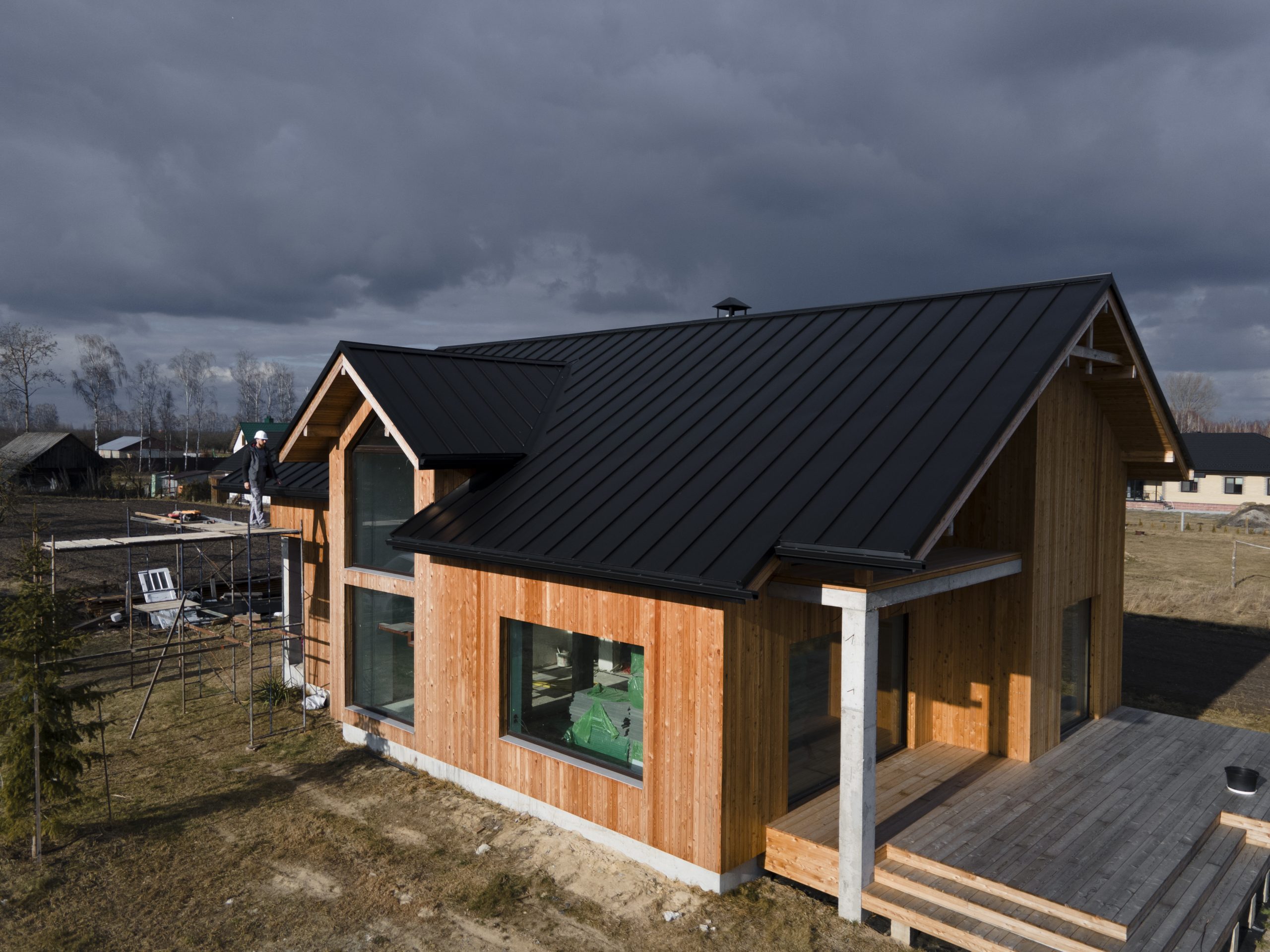
Home additions in Burlington are becoming a practical solution for families whose homes no longer meet their daily needs. By expanding existing spaces, homeowners can gain additional living area without the disruption of moving away from the neighborhoods they value. These projects help families remain close to schools, workplaces, and community connections while also supporting changing lifestyles such as remote work or accommodating extended family members. Thoughtful planning is essential to ensure the new space blends naturally with the existing structure, often involving zoning reviews, design coordination, and construction management. When approached with a clear understanding of the process and informed decision-making from the start, home additions can enhance comfort and functionality while supporting long-term property value.
Many homeowners begin by learning about local addition options through home addition information in Burlington to understand what is possible within their property limits.
Why Growing Families Consider Home Additions
As families grow, homes that once felt spacious can start to feel restrictive. Children need more privacy, shared areas become crowded, and storage demands increase. In many cases, relocating means higher housing costs and changes to daily routines.
A home addition provides flexibility. Families can add bedrooms, expand kitchens, or create multipurpose rooms without leaving a familiar environment. This approach often supports emotional comfort and long term stability.
Common Types of Home Additions in Burlington
Not all additions serve the same purpose. The right type depends on property size, zoning restrictions, and family goals.
Common options include:
- Rear additions to enlarge kitchens or family rooms
- Second storey additions to increase bedroom count
- Side additions for offices, playrooms, or guest areas
Each option requires different structural and design considerations.
The Role of Design Build Planning
A design build approach brings design and construction together under one coordinated process. This helps align expectations around cost, timeline, and feasibility.
By addressing design details alongside construction realities, families often experience fewer changes during the build. This approach supports clarity and reduces the risk of miscommunication.
Understanding Zoning and Local Regulations
Zoning regulations guide what can be built on a property. Setbacks, lot coverage limits, and height restrictions all influence addition design.
Before committing to plans, homeowners should understand how municipal rules apply to their property. Early zoning review helps avoid redesigns later in the process and supports smoother permitting.
Planning Layout and Daily Functionality
A successful addition feels integrated, not separate. Layout planning considers how new rooms connect to existing spaces.
For families, functionality often includes open sightlines, natural light, and flexible room use. Careful planning ensures the addition supports everyday routines and future needs.
Budgeting for a Home Addition
Budget planning is a key part of any addition project. Costs include design, permits, materials, labor, and potential upgrades to existing systems.
Families benefit from setting realistic expectations and including contingency allowances. This approach helps manage unforeseen issues such as structural adjustments or utility upgrades.
Selecting Materials That Support Long Term Use
Material choices affect durability, comfort, and maintenance. Exterior finishes should complement the original structure to maintain visual consistency.
Inside the home, materials are often selected for durability, especially in high traffic family spaces. Thoughtful material selection contributes to long term satisfaction.
Structural Considerations and Integration
Additions must connect safely to the existing home. Foundations, framing, and roofing systems need to work together.
Structural assessments help determine load requirements and connection methods. Proper integration protects the home from weather exposure and long term wear.
Working With Home Addition Contractors
Experienced home addition contractor teams help manage the complexity of additions. Coordination among trades, inspectors, and suppliers requires planning and communication.
House addition contractors often assist with scheduling, inspections, and sequencing. Clear communication supports smoother project execution.
Construction Stages Explained
Understanding construction stages helps families prepare for the process.
Typical stages include:
- Site preparation and foundation work
- Framing and exterior enclosure
- Interior finishes and final inspections
Each stage builds toward completion and requires coordination.
Living in the Home During Construction
Many families remain in their homes during construction. This requires planning around noise, dust, and temporary space limitations.
Setting expectations early helps reduce stress. Contractors and homeowners can work together to manage access and safety throughout the project.
Energy Efficiency and Comfort
Modern additions often include improved insulation, efficient windows, and updated systems. These features support comfort and help manage energy costs.
Integrating efficiency improvements into the addition can benefit the entire home over time.
Return on Investment Considerations
Home additions can influence property value when designed thoughtfully. Additions that enhance functionality and align with neighborhood trends often have positive long term effects.
While financial return varies, many families value improved livability alongside potential resale benefits.
Mid Project Reviews and Adjustments
Regular check ins during construction help address concerns early. These reviews may involve confirming finishes or adjusting timelines.
Clear documentation supports informed decisions and helps maintain project momentum.
Learning From Home Renovation Resources
Educational resources help homeowners understand the addition process. Topics such as zoning, materials, and budgeting are easier to manage with preparation.
Many families explore planning insights through home renovation resources to support informed discussions.
Project Completion and Final Steps
Final inspections confirm compliance with building standards. Walkthroughs allow homeowners to review completed work and identify minor adjustments.
Organizing permits and warranties supports long term maintenance and peace of mind.
Living With Your New Space
Once complete, an addition becomes part of everyday life. Establishing maintenance routines helps preserve quality.
Families often find that added space improves daily comfort and supports evolving needs.
Conclusion
Home Additions in Burlington provide growing families with a practical way to expand living space while staying rooted in their community. With careful attention to design build coordination, zoning requirements, and long term value, homeowners can make informed decisions that support their future.
For homeowners considering next steps or seeking guidance, connecting through home renovation contact options can help clarify planning considerations and project readiness.
Frequently Asked Questions

continue reading